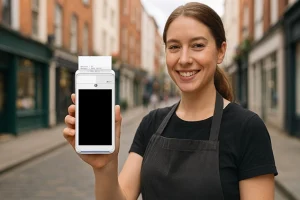
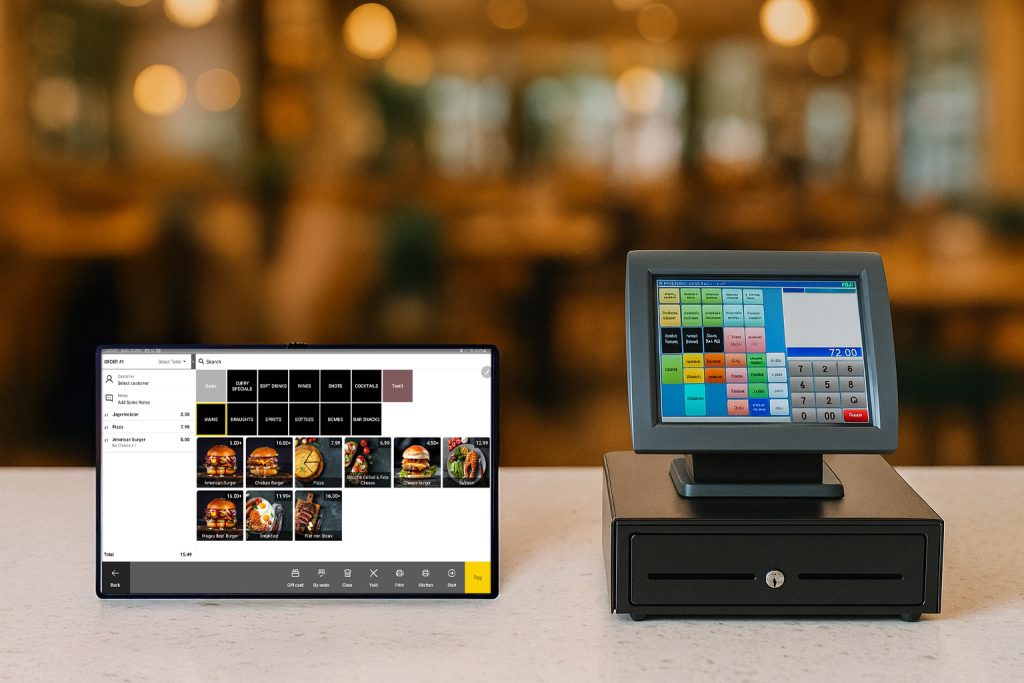
The choice between modern tablet-based systems and traditional cash registers represents a critical decision for Irish businesses. Our comprehensive tablet EPOS comparison Ireland and detailed Samsung Galaxy POS vs traditional till Ireland analysis helps merchants understand the technology, usability, and cost implications of each approach.
At Compayre, we evaluate point-of-sale solutions across multiple dimensions to help Irish businesses make informed decisions. This thorough tablet EPOS comparison Ireland examines technology capabilities, user experience, cost-effectiveness, and long-term business value to guide optimal POS system selection.
Understanding Tablet EPOS Comparison Ireland Market Landscape
Before conducting our detailed tablet EPOS comparison Ireland analysis, it’s essential to understand the fundamental differences between modern tablet-based EPOS systems and traditional cash register solutions. Each approach offers distinct advantages depending on business requirements, operational complexity, and growth objectives.
Our Samsung Galaxy POS vs traditional till Ireland evaluation considers factors beyond initial cost, including functionality, scalability, integration capabilities, and total cost of ownership. This comprehensive approach ensures Irish businesses select POS solutions that support both immediate operational needs and long-term business success.
Modern Tablet EPOS System Characteristics
Tablet-Based EPOS Solutions typically feature:
- Cloud-Based Architecture: Real-time data synchronization across multiple devices and locations
- Touchscreen Interface: Intuitive, user-friendly operation requiring minimal training
- App-Based Functionality: Extensive third-party integrations and customizable features
- Mobility Options: Portable payment processing and tableside service capabilities
- Real-Time Analytics: Comprehensive reporting and business intelligence tools
- Automatic Updates: Regular software improvements and feature additions
Traditional Till System Fundamentals
Traditional Cash Register Solutions provide:
- Dedicated Hardware: Purpose-built equipment designed specifically for retail transactions
- Offline Capability: Independent operation without internet connectivity requirements
- Simplicity: Straightforward functionality focused on basic transaction processing
- Durability: Robust construction designed for high-volume, long-term use
- Security: Physical security features and limited access points
- Proven Reliability: Established technology with predictable performance characteristics
Technology Comparison: Samsung Galaxy POS vs Traditional Till Ireland
The technological differences between tablet EPOS and traditional till systems significantly impact functionality, user experience, and business capabilities.
Hardware Architecture and Design
Tablet EPOS Systems offer advanced hardware features:
NPI provides cutting-edge tablet EPOS solutions:
- Multi-Touch Displays: Responsive touchscreens with intuitive gesture controls
- Wireless Connectivity: Wi-Fi and cellular data connections for cloud-based operations
- Modular Components: Flexible hardware configurations adapting to business needs
- Integrated Peripherals: Built-in cameras, scanners, and payment processing capabilities
- Compact Design: Space-efficient solutions suitable for various retail environments
NPI’s tablet EPOS systems demonstrate superior flexibility in our tablet EPOS comparison Ireland, offering businesses the ability to customize hardware configurations based on specific operational requirements.
Traditional Till Systems feature robust, purpose-built hardware:
- Dedicated Keyboards: Physical keys optimized for rapid transaction entry
- Cash Drawer Integration: Secure cash storage with automatic opening mechanisms
- Receipt Printers: High-speed thermal printing for customer receipts
- Display Systems: Customer-facing displays for transaction verification
- Barcode Scanners: Integrated or external scanning capabilities for inventory management
Software Capabilities and Features
Modern Tablet EPOS Software provides comprehensive business management:
SmartPOS offers advanced tablet EPOS functionality:
- Inventory Management: Real-time stock tracking with automatic reorder alerts
- Customer Relationship Management: Comprehensive customer profiles and purchase history
- Employee Management: Staff scheduling, performance tracking, and access controls
- Financial Reporting: Detailed analytics with customizable reports and dashboards
- Integration Platform: Extensive third-party app marketplace and API connectivity
SmartPOS excels in our Samsung Galaxy POS vs traditional till Ireland comparison through their comprehensive software ecosystem, enabling businesses to manage all aspects of operations through a single platform.
Traditional Till Software focuses on core transaction processing:
- Transaction Processing: Efficient handling of sales, returns, and exchanges
- Basic Inventory: Simple stock tracking with manual adjustment capabilities
- Sales Reporting: Standard reports on daily, weekly, and monthly sales performance
- Tax Calculation: Automatic application of appropriate tax rates and regulations
- User Management: Basic staff access controls and transaction tracking
Connectivity and Integration Options
Tablet EPOS Connectivity enables extensive business integration:
- Cloud Synchronization: Real-time data backup and multi-location synchronization
- Payment Gateway Integration: Support for multiple payment processors and methods
- Accounting Software: Direct integration with QuickBooks, Sage, and other financial systems
- E-commerce Platforms: Unified inventory and sales management across online and offline channels
- Marketing Tools: Integration with email marketing, loyalty programs, and customer engagement platforms
Traditional Till Connectivity offers limited but reliable connections:
- Payment Terminal: Direct connection to dedicated payment processing equipment
- Accounting Export: Basic data export capabilities for accounting software
- Network Connectivity: Simple network connections for basic reporting and backup
- Peripheral Devices: Standard connections for printers, scanners, and displays
- Database Synchronization: Limited multi-location data sharing capabilities
According to research by Retail Systems Research, businesses using modern POS systems see 23% improvement in operational efficiency compared to traditional till systems, primarily due to enhanced integration capabilities.
Learn more about POS system integration in our point-of-sale integration guide.
Usability Analysis: User Experience and Training Requirements
User experience represents a critical factor in tablet EPOS comparison Ireland, affecting staff productivity, training costs, and overall operational efficiency.
Staff Training and Learning Curve
Tablet EPOS User Experience offers intuitive operation:
- Familiar Interface: Touchscreen operation similar to smartphones and tablets
- Visual Navigation: Icon-based menus and graphical interfaces reducing learning time
- Guided Workflows: Step-by-step processes for complex transactions and procedures
- Help Integration: Built-in tutorials and support documentation accessible during operation
- Customizable Layouts: Personalized interfaces adapting to individual user preferences and business needs
Traditional Till Learning Requirements:
- Physical Keyboard: Memorization of key locations and function combinations
- Code-Based Operation: Learning of product codes and transaction shortcuts
- Manual Processes: Understanding of manual override procedures and cash handling
- Limited Guidance: Minimal on-screen help requiring external training materials
- Standardized Operation: Fixed interfaces with limited customization options
Operational Efficiency and Speed
Tablet EPOS Operational Benefits:
- Quick Product Lookup: Visual product catalogs with search and filtering capabilities
- Automated Calculations: Automatic tax, discount, and total calculations with error prevention
- Digital Receipts: Email and SMS receipt options reducing paper consumption
- Inventory Updates: Real-time stock level adjustments during transaction processing
- Customer Information: Instant access to customer history and preferences
Traditional Till Operational Characteristics:
- Rapid Key Entry: Fast transaction processing for experienced operators
- Reliable Performance: Consistent operation without dependency on internet connectivity
- Simple Cash Handling: Straightforward cash drawer management and change calculation
- Receipt Printing: Immediate physical receipt generation for customer records
- Basic Transaction Recording: Standard sales recording with limited additional data capture
Customer Interaction and Experience
Tablet EPOS Customer Benefits:
- Visual Engagement: Customer-facing displays showing transaction details and promotional content
- Digital Loyalty: Integrated loyalty program enrollment and reward redemption
- Payment Flexibility: Support for contactless, mobile wallets, and alternative payment methods
- Personalized Service: Access to customer purchase history enabling personalized recommendations
- Interactive Experience: Customer ability to interact with ordering and payment processes
Traditional Till Customer Experience:
- Familiar Process: Consistent, predictable checkout experience across different locations
- Cash Acceptance: Reliable cash handling and change-making capabilities
- Receipt Provision: Physical receipt generation for immediate customer records
- Simple Transaction: Straightforward payment processing without technical complications
- Privacy: Limited data collection providing customer privacy preferences
Maintenance and Support Requirements
Tablet EPOS Maintenance involves:
- Software Updates: Regular automatic updates requiring minimal user intervention
- Cloud Backup: Automatic data protection with remote backup and recovery
- Remote Support: Technical assistance through screen sharing and remote access
- Hardware Flexibility: Easy replacement and upgrade of individual components
- Preventive Maintenance: Proactive monitoring and maintenance through cloud connectivity
Traditional Till Maintenance requires:
- Physical Servicing: On-site maintenance and repair of mechanical components
- Manual Backup: Regular data backup procedures requiring staff intervention
- Local Support: On-site technical support for hardware and software issues
- Component Replacement: Specialized parts and professional installation requirements
- Scheduled Maintenance: Regular cleaning and calibration of mechanical systems
Explore usability considerations in our POS system usability guide.
Cost-Effectiveness Analysis: Total Cost of Ownership
Understanding the complete financial implications helps businesses make informed decisions in Samsung Galaxy POS vs traditional till Ireland evaluations.
Initial Investment and Setup Costs
Tablet EPOS Initial Costs:
- Hardware Investment: €500 – €1,500 per station depending on configuration and accessories
- Software Licensing: €30 – €150 monthly per terminal for cloud-based functionality
- Payment Processing: Competitive processing rates with modern payment gateway integration
- Installation: Minimal setup costs with self-installation options available
- Training: Reduced training costs due to intuitive interface design
Traditional Till Initial Costs:
- Hardware Purchase: €800 – €3,000 per till for commercial-grade equipment
- Software Licensing: €100 – €500 one-time cost plus annual maintenance fees
- Payment Terminal: Separate payment processing equipment costing €200 – €800
- Installation: Professional installation requirements adding €200 – €500 per location
- Training: Higher training costs due to complex operation procedures
Ongoing Operational Expenses
Tablet EPOS Ongoing Costs:
- Monthly Subscriptions: €30 – €150 per terminal for software and cloud services
- Internet Connectivity: Reliable broadband requirements costing €40 – €100 monthly
- Payment Processing: Modern processing rates typically 1.4% – 2.2% of transaction value
- Updates and Maintenance: Included in subscription costs with automatic delivery
- Support Services: Comprehensive remote support included in service plans
Traditional Till Ongoing Costs:
- Maintenance Contracts: €200 – €600 annually per till for service and support
- Software Updates: €100 – €300 annually for software upgrades and new features
- Payment Processing: Standard processing rates ranging from 1.6% – 2.5% of transaction value
- Supplies: Paper rolls, ribbons, and other consumables costing €20 – €50 monthly
- Support Calls: Additional charges for technical support and service calls
Return on Investment Considerations
Tablet EPOS ROI Factors:
- Operational Efficiency: 15-25% reduction in transaction processing time
- Inventory Management: 10-20% reduction in stock shrinkage through better tracking
- Customer Insights: 5-15% increase in sales through better customer data utilization
- Staff Productivity: 20-30% reduction in administrative tasks through automation
- Multi-Location Management: Significant cost savings for businesses with multiple locations
Traditional Till ROI Elements:
- Reliability: Reduced downtime costs through proven, stable technology
- Longevity: 7-10 year equipment lifecycle reducing replacement frequency
- Simplicity: Lower training costs and faster staff onboarding
- Cash Handling: Efficient cash management reducing handling errors and losses
- Independence: Operation without internet dependency reducing connectivity costs
Long-Term Cost Projections
5-Year Total Cost Analysis:
Tablet EPOS (Single Terminal):
- Year 1: €1,200 hardware + €1,200 software = €2,400
- Years 2-5: €1,200 annual software × 4 = €4,800
- Total 5-Year Cost: €7,200 plus payment processing fees
Traditional Till (Single Terminal):
- Year 1: €2,000 hardware + €300 software = €2,300
- Years 2-5: €400 annual maintenance × 4 = €1,600
- Total 5-Year Cost: €3,900 plus payment processing fees
While traditional tills show lower absolute costs, tablet EPOS systems often deliver superior ROI through operational efficiency and business intelligence capabilities.
According to research by Hospitality Technology, restaurants using tablet-based POS systems see 18% higher revenue per customer compared to those using traditional systems, primarily due to improved upselling and customer engagement capabilities.
Industry-Specific Considerations for Tablet EPOS Comparison Ireland
Different business types benefit differently from tablet EPOS vs traditional till solutions, making industry-specific evaluation crucial.
Retail Business Applications
Fashion and Apparel Retail:
- Tablet EPOS Advantages: Visual product catalogs, customer style profiles, inventory tracking across sizes and colors
- Traditional Till Benefits: Fast transaction processing during busy periods, reliable cash handling for small purchases
- Recommendation: Tablet EPOS for fashion retailers prioritizing customer experience and inventory management
Grocery and Convenience Stores:
- Tablet EPOS Advantages: Real-time inventory updates, supplier integration, promotional management
- Traditional Till Benefits: High-speed scanning, reliable operation during peak hours, simple cash transactions
- Recommendation: Hybrid approach with traditional tills for high-volume checkouts and tablet EPOS for management functions
Hospitality Industry Requirements
Restaurants and Cafés:
- Tablet EPOS Advantages: Tableside ordering, kitchen integration, customer preference tracking, tip management
- Traditional Till Benefits: Fast order entry for experienced staff, reliable operation in demanding environments
- Recommendation: Tablet EPOS strongly recommended for full-service restaurants prioritizing customer experience
Quick Service Restaurants:
- Tablet EPOS Advantages: Visual menu displays, promotional integration, customer loyalty tracking
- Traditional Till Benefits: Lightning-fast order processing, minimal training requirements for high-turnover staff
- Recommendation: Consider business priorities – speed favors traditional, customer engagement favors tablet EPOS
Service-Based Business Considerations
Professional Services:
- Tablet EPOS Advantages: Appointment scheduling integration, client payment history, mobile payment processing
- Traditional Till Benefits: Simple payment processing without complex features
- Recommendation: Tablet EPOS recommended for comprehensive business management integration
Beauty and Wellness:
- Tablet EPOS Advantages: Client profile management, service history tracking, appointment integration, product recommendations
- Traditional Till Benefits: Quick payment processing for retail product sales
- Recommendation: Tablet EPOS strongly recommended for client relationship management capabilities
Learn about industry-specific POS solutions in our sector-specific POS guide.
Integration and Scalability Comparison
Business growth and integration requirements significantly influence tablet EPOS comparison Ireland decisions.
Multi-Location Management
Tablet EPOS Multi-Location Benefits:
- Centralized Management: Real-time oversight of all locations from single dashboard
- Unified Inventory: Synchronized stock levels and transfers between locations
- Consistent Pricing: Centralized price management with location-specific adjustments
- Performance Analytics: Comparative reporting across all business locations
- Staff Management: Unified employee management and performance tracking
Traditional Till Multi-Location Challenges:
- Manual Consolidation: End-of-day reporting requiring manual data compilation
- Inventory Silos: Independent stock management requiring manual coordination
- Pricing Inconsistencies: Manual price updates across multiple locations
- Limited Visibility: Delayed reporting on multi-location performance
- Administrative Overhead: Increased management time for multi-location coordination
E-commerce Integration
Tablet EPOS E-commerce Advantages:
- Unified Inventory: Single inventory pool serving online and offline channels
- Customer Synchronization: Consistent customer experience across all touchpoints
- Order Management: Integrated handling of online orders for in-store pickup
- Promotional Alignment: Coordinated marketing campaigns across all channels
- Analytics Integration: Comprehensive reporting covering all sales channels
Traditional Till E-commerce Limitations:
- Separate Systems: Independent inventory and customer management systems
- Manual Synchronization: Staff intervention required for cross-channel coordination
- Limited Integration: Basic or non-existent e-commerce connectivity
- Data Silos: Fragmented customer and sales data across channels
- Operational Complexity: Multiple systems requiring separate management and training
Third-Party Application Integration
Tablet EPOS Integration Ecosystem:
- Accounting Software: Direct integration with QuickBooks, Xero, Sage, and other financial systems
- Marketing Platforms: Email marketing, social media, and customer engagement tools
- Loyalty Programs: Comprehensive customer retention and rewards integration
- Supplier Systems: Direct ordering and inventory replenishment automation
- Analytics Tools: Business intelligence and performance optimization platforms
Traditional Till Integration Options:
- Basic Accounting: Simple data export for accounting software import
- Payment Processing: Standard payment terminal connectivity
- Limited APIs: Minimal third-party integration capabilities
- Manual Processes: Human intervention required for most business system connections
- Standalone Operation: Independent operation with limited external connectivity
Security and Compliance Considerations
Security requirements and compliance obligations influence Samsung Galaxy POS vs traditional till Ireland selection decisions.
Data Protection and Privacy
Tablet EPOS Security Features:
- Encryption: End-to-end encryption for payment data and customer information
- Cloud Security: Enterprise-grade cloud infrastructure with multiple security layers
- Access Controls: Role-based permissions and multi-factor authentication
- Audit Trails: Comprehensive logging of all system access and transactions
- GDPR Compliance: Built-in tools for European data protection regulation compliance
Traditional Till Security Characteristics:
- Physical Security: Robust hardware construction with limited access points
- Local Data Storage: Customer data stored locally with manual backup procedures
- Basic Access Controls: Simple user accounts with limited permission management
- Limited Connectivity: Reduced exposure to online security threats
- Compliance Support: Basic compliance features requiring manual management
PCI DSS Compliance
Tablet EPOS PCI Compliance:
- Certified Solutions: PCI DSS certified software with regular security updates
- Tokenization: Secure payment data handling with tokenization technology
- Network Security: Encrypted communication and secure network protocols
- Regular Updates: Automatic security patches and compliance maintenance
- Vendor Support: Comprehensive compliance support and documentation
Traditional Till PCI Requirements:
- Hardware Certification: PCI-approved payment terminals and equipment
- Network Isolation: Separate network segments for payment processing
- Manual Compliance: Business responsibility for compliance documentation and procedures
- Limited Updates: Infrequent security updates requiring manual installation
- Professional Support: External compliance consulting often required
According to the Payment Card Industry Security Standards Council, modern cloud-based POS systems typically achieve higher compliance scores due to automatic security updates and professional management.
Explore security considerations in our POS security compliance guide.
Future-Proofing and Technology Evolution
Long-term technology viability represents an important factor in tablet EPOS comparison Ireland decision-making.
Technology Advancement and Updates
Tablet EPOS Future Readiness:
- Automatic Updates: Regular feature additions and security improvements without user intervention
- Cloud Evolution: Continuous improvement of cloud infrastructure and capabilities
- Hardware Flexibility: Easy upgrade path through modular hardware components
- Integration Expansion: Growing ecosystem of third-party applications and services
- Innovation Access: Early adoption opportunities for emerging payment technologies
Traditional Till Technology Trajectory:
- Stable Platform: Predictable technology evolution with incremental improvements
- Extended Lifecycle: Long equipment life with minimal forced upgrades
- Proven Reliability: Established technology with predictable performance characteristics
- Limited Innovation: Slower adoption of new payment methods and technologies
- Replacement Cycle: Periodic complete system replacement for technology updates
Emerging Payment Technologies
Tablet EPOS Emerging Technology Support:
- Contactless Payments: NFC and mobile wallet integration with regular updates
- Cryptocurrency: Potential support for digital currency acceptance
- Biometric Authentication: Integration with fingerprint and facial recognition systems
- Voice Commerce: Potential integration with voice-activated ordering systems
- AI Integration: Machine learning capabilities for business optimization and customer insights
Traditional Till Technology Adaptation:
- Limited Flexibility: Restricted ability to adopt new payment technologies
- Hardware Constraints: Physical limitations preventing advanced feature integration
- Manual Upgrades: Required equipment replacement for new technology support
- Incremental Changes: Slow adoption of emerging payment methods
- Ecosystem Limitations: Restricted third-party integration and feature expansion
Investment Protection Strategies
Tablet EPOS Investment Protection:
- Subscription Models: Continuous updates and improvements included in ongoing costs
- Hardware Flexibility: Component-level upgrades reducing complete replacement needs
- Cloud Evolution: Automatic infrastructure improvements without additional investment
- Feature Growth: Expanding capabilities through software updates and new integrations
- Vendor Relationships: Strong provider ecosystems supporting long-term innovation
Traditional Till Investment Approach:
- Depreciation Strategy: Equipment treated as depreciating asset with planned replacement schedule
- Extended Lifecycle: Maximum utilization of existing investment through long service life
- Proven ROI: Predictable return on investment through stable, reliable operation
- Maintenance Focus: Investment in maintenance extending equipment useful life
- Conservative Approach: Risk mitigation through proven technology and established vendors
Conclusion: Selecting the Optimal POS Solution for Irish Businesses
Our comprehensive tablet EPOS comparison Ireland and detailed Samsung Galaxy POS vs traditional till Irelandanalysis reveals that the optimal choice depends on business priorities, operational requirements, and growth objectives. Both approaches offer distinct advantages suited to different business scenarios.
Key findings from our analysis include:
- Technology Capabilities: Tablet EPOS systems offer superior integration, analytics, and scalability compared to traditional tills
- Usability Factors: Modern tablet interfaces provide intuitive operation requiring less training than traditional systems
- Cost Considerations: While traditional tills have lower upfront costs, tablet EPOS systems often deliver superior ROI through operational efficiency
- Industry Suitability: Service-oriented businesses benefit more from tablet EPOS, while high-volume retailers may prefer traditional till reliability
- Future Readiness: Tablet EPOS systems provide better adaptation to evolving payment technologies and business requirements
Strategic Recommendations for Irish businesses:
- Growth-Oriented Businesses: Choose tablet EPOS for scalability and integration capabilities
- High-Volume Retailers: Consider traditional tills for speed and reliability during peak periods
- Multi-Location Operations: Strongly favor tablet EPOS for centralized management capabilities
- Service Businesses: Prioritize tablet EPOS for customer relationship management and business intelligence
- Technology-Conservative Operations: Traditional tills offer stability and predictable operation
The most successful businesses align their POS system selection with their operational priorities, growth plans, and customer experience objectives rather than focusing solely on initial cost considerations.
For expert assistance in evaluating tablet EPOS comparison Ireland options for your specific business requirements, contact Compayre at +353 1 265 4403. Our specialists help Irish businesses navigate the complex landscape of modern POS systems.
This article is for informational purposes only and does not constitute business or technology advice. For specific POS system recommendations, consult with qualified point-of-sale specialists. Information current as of May 2025.