
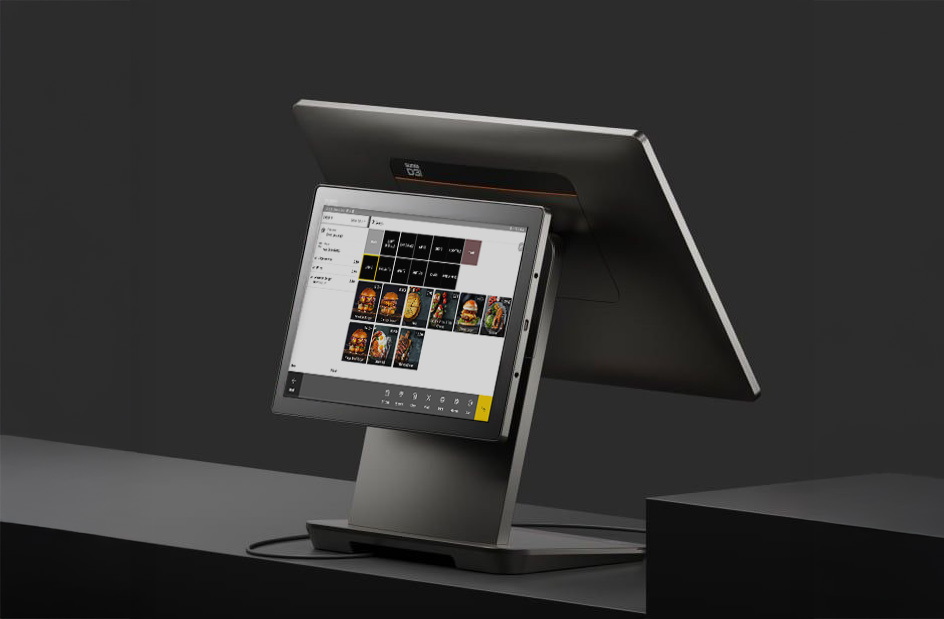
When Irish businesses implement point-of-sale systems, achieving seamless EPOS integration Ireland becomes essential for maximizing operational efficiency and data accuracy across all business functions. Modern POS system connectivity extends far beyond basic transaction processing to encompass comprehensive business management through integrated accounting, inventory, and customer relationship systems. Understanding how to effectively connect EPOS systems with existing business tools transforms isolated software solutions into unified platforms that drive efficiency, reduce errors, and provide comprehensive business insights.
The complexity of modern business operations demands integrated technology solutions that eliminate manual data entry, reduce operational silos, and provide real-time visibility across all business functions. Successful EPOS integration creates seamless workflows that enhance productivity while ensuring data consistency and accuracy that supports informed decision-making and strategic planning.
Understanding EPOS Integration Ireland Landscape
EPOS integration Ireland encompasses diverse connectivity options that enable businesses to create unified technology ecosystems supporting comprehensive operational management and strategic business intelligence.
API-based integration provides the most flexible and robust connectivity options, enabling custom connections between EPOS systems and specialized business applications while maintaining data security and system performance.
Pre-built connectors offer simplified integration with popular business software platforms, reducing implementation complexity and costs while providing tested connectivity solutions for common business requirements.
Cloud-based integration platforms enable seamless data synchronization across multiple systems while providing scalability and reliability that supports business growth and operational expansion.
Real-time synchronization ensures data consistency across all connected systems while providing immediate visibility into business performance and operational metrics that support responsive management decisions.
For comprehensive EPOS integration planning and implementation support, Compayre.ie’s integration consultation services provide expert guidance tailored to Irish business requirements and technical capabilities. Leading providers like New Payment Innovation (www.npi.ie) and SmartPOS (www.smartpos.ie) offer specialized integration solutions designed specifically for Irish businesses.
POS System Connectivity: Technical Architecture Overview
POS system connectivity requires understanding various integration methods and their implications for business operations, data security, and long-term system maintenance.
Integration Methods and Protocols
RESTful APIs provide modern, secure integration capabilities that enable real-time data exchange between EPOS systems and business applications while maintaining scalability and performance standards.
Webhook notifications enable automatic data synchronization by triggering updates in connected systems when specific events occur, ensuring immediate data consistency across all business platforms.
Database synchronization creates direct connections between system databases while maintaining data integrity and providing comprehensive integration capabilities for complex business requirements.
File-based integration offers simple connectivity options for systems with limited API capabilities, though manual processes may be required for data validation and error handling.
Data Flow and Security
Encrypted data transmission protects sensitive business information during integration processes while ensuring compliance with data protection regulations and industry security standards.
Authentication protocols including OAuth and API keys provide secure access controls that protect business systems while enabling authorized connectivity between integrated platforms.
Data validation processes ensure information accuracy during synchronization while identifying and resolving conflicts that could affect business operations or reporting accuracy.
Audit trails maintain comprehensive records of data exchanges and system interactions while providing transparency and accountability for integrated business processes.
System Performance Optimization
Load balancing distributes integration traffic across multiple servers while ensuring consistent performance during peak business periods and high-volume data synchronization.
Caching strategies improve response times and reduce system load while maintaining data accuracy and providing responsive user experiences across all integrated platforms.
Error handling procedures ensure graceful degradation during integration failures while providing clear error reporting and recovery mechanisms that maintain business continuity.
Monitoring systems provide real-time visibility into integration performance while enabling proactive issue identification and resolution that prevents business disruption.
Accounting Software Integration: Streamlining Financial Management
Connecting EPOS systems with accounting platforms creates automated financial workflows that eliminate manual data entry while ensuring accuracy and compliance with Irish financial reporting requirements.
Popular Accounting Platform Connectivity
Sage integration with Irish EPOS systems provides comprehensive financial management connectivity, automatically synchronizing sales data, tax calculations, and customer information with Sage Business Cloud and other Sage products.
QuickBooks connectivity enables seamless data flow between point-of-sale transactions and QuickBooks Online accounting records, providing real-time financial visibility and simplified bookkeeping processes.
Xero integration offers robust connectivity with Xero’s cloud accounting platform, enabling automated invoice generation, expense tracking, and financial reporting that supports Irish business compliance requirements.
Wave Accounting integration provides cost-effective connectivity options for smaller businesses while maintaining comprehensive financial management capabilities through Wave’s free accounting software.
Automated Financial Processes
Real-time transaction recording eliminates manual data entry while ensuring immediate financial record updates that support accurate business performance monitoring and cash flow management.
Automatic tax calculation and reporting streamlines VAT compliance while reducing errors and ensuring accurate tax documentation that meets Irish Revenue requirements and audit standards.
Multi-currency handling for businesses with international operations provides automatic currency conversion and accounting treatment that simplifies financial management and reporting across different markets.
Expense categorization automation ensures consistent financial classification while reducing manual bookkeeping requirements and improving accuracy of financial reporting and analysis.
Financial Reporting and Analytics
Integrated dashboards combine sales data with financial metrics while providing comprehensive business performance visibility that supports strategic decision-making and operational optimization.
Profit and loss automation generates accurate financial statements while incorporating real-time sales data and expense information that ensures current business performance visibility.
Cash flow forecasting leverages integrated sales and financial data while providing predictive insights that support business planning and investment decision-making processes.
Audit trail maintenance ensures comprehensive financial documentation while providing clear transaction histories and supporting documentation that facilitates compliance and audit procedures.
Leading Irish Integration Providers
New Payment Innovation
New Payment Innovation provides comprehensive EPOS integration solutions designed specifically for Irish businesses, offering robust API connectivity and seamless integration with popular accounting and e-commerce platforms.
Accounting integration capabilities include direct connectivity with major Irish accounting software providers, enabling automated financial record-keeping and VAT compliance that simplifies business operations and regulatory requirements.
E-commerce connectivity supports omnichannel operations through integrated inventory management and customer data synchronization that ensures consistent experiences across online and offline sales channels.
Custom integration development services accommodate unique business requirements while maintaining security standards and providing ongoing support for specialized integration needs.
Local expertise ensures understanding of Irish business regulations and market requirements while providing personalized support and guidance throughout integration implementation and optimization.
SmartPOS
SmartPOS delivers integrated EPOS solutions that combine payment processing with comprehensive business management capabilities, particularly focused on retail and hospitality integration requirements.
Built-in integrations with popular business software platforms provide seamless connectivity that reduces implementation complexity while ensuring reliable data synchronization and operational efficiency.
Industry-specific features address unique requirements for retail, hospitality, and service businesses while providing specialized integration capabilities that optimize operations and customer service delivery.
Scalable architecture supports business growth through flexible integration options that accommodate expanding operations and evolving business requirements without requiring system replacement.
Comprehensive support includes integration planning, implementation assistance, and ongoing optimization that ensures maximum value from integrated business systems and technology investments.
E-commerce Platform Integration: Omnichannel Operations
Successful EPOS integration Ireland must encompass e-commerce connectivity that enables unified inventory management, customer data, and sales reporting across online and offline channels.
Major E-commerce Platform Connectivity
Shopify integration provides comprehensive omnichannel capabilities through Shopify’s POS system and API connectivity that synchronizes inventory, customer data, and sales information across all sales channels.
WooCommerce connectivity enables WordPress-based e-commerce sites to integrate with EPOS systems through WooCommerce’s extensive plugin ecosystem and custom API development.
Magento integration offers enterprise-level connectivity options through Magento’s robust API framework that supports complex business requirements and custom integration development.
BigCommerce connectivity provides scalable e-commerce integration through BigCommerce’s API platform that enables comprehensive omnichannel operations and data synchronization.
Inventory Synchronization
Real-time stock updates ensure accurate inventory levels across all sales channels while preventing overselling and maintaining customer satisfaction through reliable product availability information.
Automated reordering based on integrated inventory data provides proactive stock management while optimizing inventory levels and reducing carrying costs through intelligent purchasing decisions.
Multi-location inventory tracking enables comprehensive stock management across multiple warehouses and retail locations while providing centralized visibility and control over inventory distribution.
Product catalog synchronization maintains consistent product information across all channels while ensuring accurate pricing, descriptions, and availability data that supports customer confidence and sales conversion.
Customer Data Unification
Unified customer profiles combine online and offline purchase history while providing comprehensive customer insights that support personalized marketing and service delivery strategies.
Loyalty program integration synchronizes reward points and customer benefits across all channels while providing seamless customer experiences that encourage repeat business and brand loyalty.
Marketing automation leverages integrated customer data while enabling targeted campaigns based on purchase behavior and preferences that improve marketing effectiveness and ROI.
Customer service enhancement through integrated data provides support teams with comprehensive customer information that enables superior service delivery and issue resolution capabilities.
Inventory Management Integration: Optimizing Stock Control
Comprehensive inventory management integration transforms POS system connectivity into powerful stock control and optimization platforms that reduce costs while improving service levels.
Real-time Stock Tracking
Automatic inventory adjustments based on sales transactions ensure accurate stock levels while eliminating manual counting errors and providing real-time visibility into inventory status.
Multi-location tracking enables comprehensive inventory management across multiple sites while providing centralized control and reporting that optimizes stock distribution and availability.
Barcode integration streamlines inventory processes while ensuring accurate product identification and tracking that reduces errors and improves operational efficiency.
Cycle counting automation schedules regular inventory audits while providing systematic accuracy verification that maintains reliable stock data and reduces shrinkage.
Procurement and Supplier Management
Automated purchasing based on inventory levels and sales forecasts optimizes stock replenishment while reducing carrying costs and ensuring adequate product availability for customer demand.
Supplier integration enables direct connectivity with vendor systems while streamlining ordering processes and improving communication that enhances supplier relationships and service delivery.
Purchase order automation generates orders based on predetermined reorder points while ensuring consistent inventory levels and reducing administrative overhead through systematic procurement processes.
Vendor performance tracking monitors supplier delivery times and quality metrics while enabling data-driven supplier selection and relationship management that optimizes procurement effectiveness.
Advanced Inventory Analytics
Demand forecasting leverages integrated sales and inventory data while providing predictive insights that optimize stock levels and reduce both stockouts and overstock situations.
Seasonal analysis identifies purchasing patterns and trends while enabling proactive inventory planning that accommodates business cycles and seasonal demand variations.
Profitability analysis by product and category provides insights into inventory performance while supporting strategic decisions about product mix and pricing optimization.
Slow-moving inventory identification enables proactive management of underperforming stock while reducing carrying costs and improving inventory turnover rates.
For specialized accounting integration support, Compayre.ie’s financial system integration services provide expert guidance on connecting EPOS systems with accounting platforms and optimizing financial workflows. Irish providers like New Payment Innovation (www.npi.ie) offer specialized accounting integration that ensures compliance with Irish financial regulations and reporting requirements.
Customer Relationship Management Integration
Integrating EPOS systems with CRM platforms creates comprehensive customer management capabilities that drive loyalty, increase lifetime value, and support targeted marketing initiatives.
CRM Platform Connectivity
Salesforce integration provides enterprise-level customer management through Salesforce’s robust API platform that enables comprehensive customer lifecycle management and sales process automation.
HubSpot connectivity offers comprehensive marketing and sales integration through HubSpot’s CRM platform that combines customer data with marketing automation and sales pipeline management.
Microsoft Dynamics integration provides business-grade customer management through Dynamics 365 connectivity that enables comprehensive business process integration and customer relationship optimization.
Zoho CRM integration offers cost-effective customer management through Zoho’s integrated business platform that provides comprehensive customer data management and marketing automation capabilities.
Customer Data Management
Purchase history consolidation creates comprehensive customer profiles while providing insights into buying patterns and preferences that support personalized service delivery and marketing strategies.
Customer segmentation based on integrated data enables targeted marketing campaigns while improving message relevance and response rates that enhance marketing effectiveness and ROI.
Loyalty program management tracks customer rewards and benefits while providing automated point calculation and redemption that encourages repeat business and brand loyalty.
Communication preferences management ensures customers receive relevant messages through preferred channels while maintaining compliance with privacy regulations and customer expectations.
Marketing Automation Integration
Triggered campaigns based on purchase behavior provide timely and relevant marketing messages while improving customer engagement and driving additional sales through personalized communications.
Email marketing integration with platforms like Mailchimp and Constant Contact enables automated customer communication while maintaining consistent brand messaging and customer relationship management.
Social media integration connects customer data with social platforms while enabling targeted advertising and customer engagement that expands marketing reach and effectiveness.
Analytics and reporting combine sales and marketing data while providing comprehensive customer insights that support strategic decision-making and campaign optimization.
Business Intelligence and Analytics Integration
Advanced analytics integration transforms EPOS integration Ireland into comprehensive business intelligence platforms that provide actionable insights for strategic planning and operational optimization.
Data Warehouse Integration
Centralized data storage consolidates information from multiple business systems while providing comprehensive data analysis capabilities that support strategic decision-making and performance monitoring.
ETL processes (Extract, Transform, Load) ensure data quality and consistency while providing automated data processing that maintains accurate business intelligence and reporting capabilities.
Historical data analysis provides long-term trend identification while enabling strategic planning and performance benchmarking that supports business growth and optimization strategies.
Real-time analytics combine current and historical data while providing immediate insights into business performance that enable responsive management decisions and operational adjustments.
Business Intelligence Platforms
Power BI integration provides comprehensive business analytics through Microsoft Power BI connectivity that enables custom dashboards and detailed performance reporting for strategic decision-making.
Tableau connectivity offers advanced data visualization through Tableau’s analytics platform that provides sophisticated business intelligence capabilities and interactive reporting tools.
Google Analytics integration combines web and sales data while providing comprehensive customer journey analysis that supports marketing optimization and customer experience improvement.
Custom dashboard development creates tailored business intelligence solutions while providing specific metrics and KPIs that support unique business requirements and strategic objectives.
Performance Monitoring and KPIs
Real-time performance tracking provides immediate visibility into business metrics while enabling proactive management responses that maintain optimal business performance and customer satisfaction.
Automated reporting generates regular business intelligence updates while reducing manual reporting requirements and ensuring consistent performance monitoring and analysis.
Alert systems notify management of significant performance changes while enabling rapid response to business challenges and opportunities that affect operational success.
Benchmarking capabilities compare performance against industry standards while providing context for business results and identifying improvement opportunities.
Implementation Best Practices and Strategies
Successful POS system connectivity requires systematic planning and execution that ensures optimal integration outcomes while minimizing business disruption and maximizing operational benefits.
Planning and Assessment
Requirements analysis identifies specific integration needs while evaluating existing systems and business processes that affect integration complexity and implementation strategy.
System compatibility assessment ensures technical feasibility while identifying potential conflicts or limitations that could affect integration success and ongoing system performance.
Data mapping defines how information flows between systems while ensuring data integrity and consistency that maintains accurate business operations and reporting.
Timeline development coordinates integration activities while minimizing business disruption and ensuring adequate testing and validation before full implementation.
Implementation Execution
Phased rollout reduces implementation risks while enabling gradual system adoption and optimization that ensures smooth transitions and maintains business continuity.
Testing protocols validate integration functionality while identifying issues before production deployment and ensuring reliable system performance under actual business conditions.
Staff training ensures effective system utilization while building confidence and competence that maximizes integration benefits and operational efficiency improvements.
Change management addresses organizational adaptation while ensuring smooth transitions and maintaining employee engagement throughout integration implementation.
Ongoing Optimization
Performance monitoring tracks integration effectiveness while identifying optimization opportunities and ensuring continued system performance that supports business objectives.
Regular maintenance schedules ensure system reliability while preventing issues and maintaining optimal performance that protects business operations and customer service.
Feature utilization analysis maximizes integration value while ensuring all beneficial capabilities are properly implemented and contributing to business success.
Continuous improvement processes identify enhancement opportunities while ensuring integration systems evolve with changing business requirements and technological capabilities.
For comprehensive implementation support and project management, Compayre.ie’s integration implementation services provide expert guidance throughout the integration process from planning through ongoing optimization. Both New Payment Innovation (www.npi.ie) and SmartPOS (www.smartpos.ie) offer comprehensive implementation support that ensures successful integration deployment and system optimization.
Security and Compliance Considerations
EPOS integration Ireland must maintain robust security measures while ensuring compliance with Irish and European data protection regulations throughout all connected systems and processes.
Data Protection and Privacy
GDPR compliance ensures proper handling of customer personal information while providing transparency about data usage and enabling customer control over personal information management across all integrated systems.
Data encryption protects sensitive information during transmission and storage while ensuring unauthorized access prevention and maintaining customer confidence in integrated business systems.
Access controls ensure appropriate staff permissions while maintaining security through role-based access and comprehensive audit trails that protect sensitive business and customer information.
Regular security audits maintain compliance standards while identifying improvement opportunities and ensuring continued adherence to evolving security requirements and industry best practices.
Integration Security Measures
API security including authentication tokens and request signing ensures secure data exchange while protecting against unauthorized access and maintaining system integrity across all integrations.
Network security measures protect data transmission while ensuring secure connectivity between systems and preventing unauthorized access to sensitive business information.
Backup procedures protect against data loss while ensuring business continuity and recovery capabilities that maintain operations during system failures or security incidents.
Disaster recovery planning ensures rapid system restoration while minimizing business disruption and maintaining customer service during technical difficulties or security breaches.
Compliance Management
Audit trail maintenance provides comprehensive documentation while supporting compliance requirements and enabling transparent business operations that meet regulatory standards.
Regular compliance reviews ensure ongoing adherence while identifying potential issues and maintaining alignment with evolving regulatory requirements and industry standards.
Staff training on security procedures ensures proper handling of sensitive information while maintaining compliance standards and protecting customer data across all integrated systems.
Vendor management ensures integration partners maintain appropriate security standards while providing ongoing compliance support and meeting contractual security obligations.
Future Trends and Technology Evolution
The EPOS integration Ireland landscape continues evolving through technological advancement and changing business requirements that create new opportunities for enhanced connectivity and operational efficiency.
Emerging Integration Technologies
Artificial intelligence integration enables automated insights and decision-making while providing predictive analytics that optimize business operations and strategic planning through intelligent system connectivity.
Machine learning capabilities improve integration accuracy while enabling adaptive systems that learn from business patterns and optimize performance automatically over time.
Blockchain technology may provide enhanced security and transparency while enabling new forms of business data sharing and verification that improve trust and operational efficiency.
Internet of Things (IoT) integration connects physical devices with business systems while enabling automated data collection and process optimization that enhances operational efficiency and customer experience.
Cloud-Based Integration Evolution
Serverless architecture reduces infrastructure complexity while providing scalable integration capabilities that adapt to business requirements and optimize operational costs.
Microservices integration enables modular system connectivity while providing flexibility and scalability that supports business growth and technological evolution.
API-first design prioritizes integration capabilities while ensuring systems can connect effectively with emerging technologies and business requirements.
Low-code integration platforms enable business users to create connections while reducing technical complexity and enabling rapid adaptation to changing business needs.
Enhanced Analytics and Intelligence
Real-time business intelligence provides immediate insights while enabling responsive management decisions that optimize business performance and competitive positioning.
Predictive analytics integration helps forecast business trends while enabling proactive planning and optimization that supports strategic decision-making and growth strategies.
Automated reporting evolution provides more sophisticated business intelligence while reducing manual requirements and ensuring consistent performance monitoring and analysis.
Custom analytics development enables specialized business insights while providing tailored intelligence that addresses unique business requirements and strategic objectives.
ROI Analysis and Business Value Assessment
Understanding the return on investment for POS system connectivity helps businesses make informed decisions about integration priorities and resource allocation.
Cost-Benefit Analysis
Implementation costs including development, testing, and training must be weighed against operational benefits including reduced labor costs, improved accuracy, and enhanced business intelligence capabilities.
Ongoing maintenance expenses for integration systems should be considered against long-term operational savings and efficiency improvements that result from automated processes and reduced manual work.
Scalability benefits provide increasing value as businesses grow while supporting expansion without proportional increases in administrative complexity and operational overhead.
Competitive advantages from integrated systems can justify investment through improved customer service, operational efficiency, and strategic decision-making capabilities that enhance market positioning.
Productivity Improvements
Reduced manual data entry typically saves 5-15 hours weekly for small businesses while providing immediate accuracy improvements and reducing errors that affect customer service and financial reporting.
Automated reporting eliminates manual report generation while providing more accurate and timely business intelligence that supports better decision-making and strategic planning.
Streamlined processes reduce training requirements while improving employee productivity and job satisfaction through elimination of repetitive tasks and manual procedures.
Error reduction through automated data synchronization prevents costly mistakes while improving customer satisfaction and reducing time spent on error correction and customer service issues.
Strategic Business Value
Improved customer experience through integrated systems enables better service delivery while supporting customer retention and loyalty that drives long-term business growth and profitability.
Enhanced business intelligence provides competitive advantages while enabling data-driven decision-making that optimizes operations and identifies growth opportunities.
Operational scalability supports business expansion while maintaining efficiency and service quality that enables sustainable growth and market development.
Technology future-proofing protects technology investments while ensuring systems can adapt to evolving business requirements and technological developments.
Conclusion: Maximizing Business Potential Through Strategic Integration
Successful EPOS integration Ireland transforms isolated business systems into unified platforms that drive operational efficiency, enhance customer experience, and provide comprehensive business intelligence. POS system connectivitywith accounting, e-commerce, and inventory management systems creates seamless workflows that eliminate manual processes while ensuring data accuracy and real-time business visibility.
The investment in comprehensive integration typically delivers substantial returns through reduced operational costs, improved accuracy, and enhanced business intelligence that supports strategic decision-making and competitive positioning. Irish businesses that embrace integrated technology platforms often achieve operational advantages that translate into superior customer service, employee productivity, and financial performance.
Success in today’s competitive business environment requires more than efficient individual systems—it demands integrated platforms that provide comprehensive business management capabilities and real-time insights. Professional guidance helps navigate integration complexity while ensuring technology investments deliver maximum value and competitive advantage.
Understanding integration opportunities and implementing systematic connectivity strategies enables businesses to maximize their technology investments while building scalable platforms that support long-term growth and operational excellence.
Ready to optimize your business operations through comprehensive EPOS integration? Contact Compayre.ie at +353 1 265 4403 or visit www.compayre.ie for expert consultation on EPOS system integration and business tool connectivity tailored to your Irish business requirements. Our specialized integration services help businesses create unified technology platforms that drive efficiency, reduce costs, and enhance competitive positioning through strategic system connectivity.