
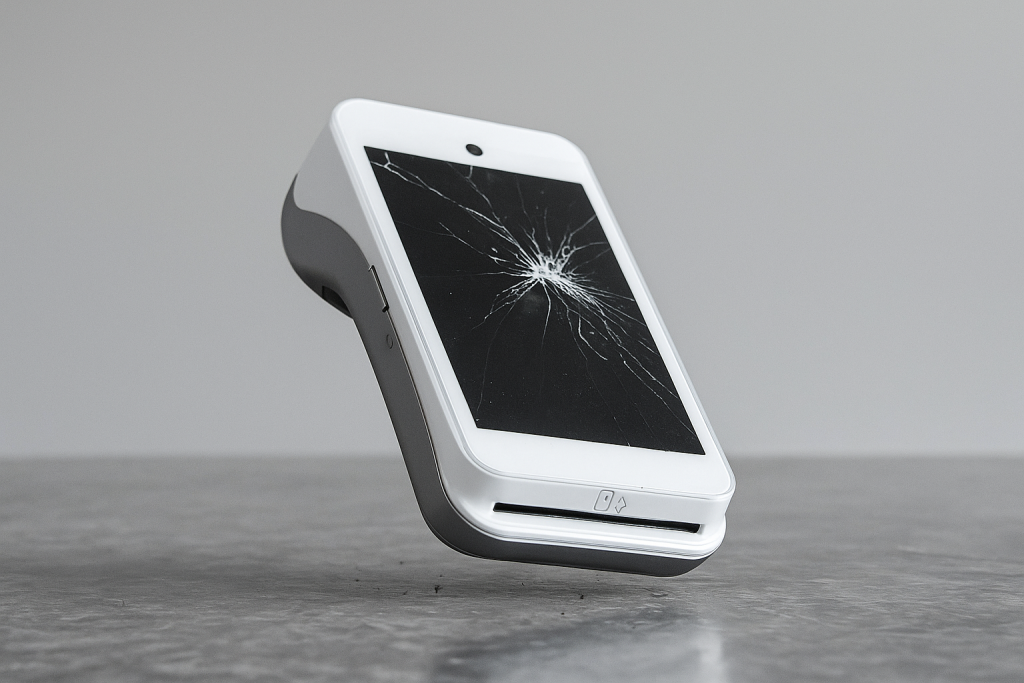
When Irish businesses invest in payment processing equipment, understanding card machine insurance Ireland options becomes essential for protecting valuable technology assets against theft, damage, and operational failures. Modern payment terminal protection encompasses comprehensive coverage that extends beyond basic hardware replacement to include business interruption, data recovery, and liability protection that safeguards both equipment and business operations. The complexity of payment processing environments creates numerous risks that can result in significant financial losses, making insurance evaluation crucial for comprehensive business protection.
The cost of replacing damaged or stolen card machines represents only one component of potential losses, with business interruption, customer data exposure, and regulatory compliance issues creating additional financial risks that comprehensive insurance coverage can address. Understanding available protection options and their cost-benefit implications helps businesses make informed decisions about risk management and insurance investment priorities.
Understanding Card Machine Insurance Ireland Market
The card machine insurance Ireland market offers diverse protection options ranging from basic hardware coverage to comprehensive business protection packages that address the full spectrum of payment processing risks and operational vulnerabilities.
Standalone equipment insurance provides focused coverage for card machine hardware against theft, damage, and malfunction while maintaining competitive pricing for businesses with limited insurance requirements and straightforward risk profiles.
Comprehensive business protection integrates payment equipment coverage with broader business insurance policies, providing unified protection that addresses multiple risk categories while potentially offering cost advantages through bundled coverage options.
Provider-specific insurance offered by payment processing companies provides specialized coverage designed specifically for their equipment and services, often including expedited replacement and technical support that minimizes business disruption.
Third-party insurance from independent providers offers competitive pricing and flexible coverage options while providing objective risk assessment and claims handling that may benefit businesses with complex insurance requirements.
For comprehensive card machine insurance analysis tailored to Irish business needs, Compayre.ie’s insurance consultation services provide expert guidance on coverage options, cost optimization, and risk management strategies.
Payment Terminal Protection: Coverage Options Analysis
Payment terminal protection encompasses various coverage types that address different risk categories and business requirements, making systematic evaluation essential for optimal insurance selection.
Hardware Coverage Options
Physical damage protection covers repairs and replacement costs for card machines damaged through accidents, weather, vandalism, or normal wear and tear that affects equipment functionality and business operations.
Theft coverage provides replacement costs for stolen equipment while potentially including coverage for unauthorized transactions and fraudulent activity that occurs before theft discovery and system security measures activation.
Malfunction protection addresses equipment failures beyond normal warranty coverage, including electronic component failures, software corruption, and performance degradation that affects transaction processing capability.
Accidental damage coverage protects against drops, spills, and other unintentional damage that commonly affects portable payment terminals and mobile card processing equipment in business environments.
Business Interruption Coverage
Lost revenue protection compensates for sales losses during equipment downtime, providing financial support while replacement equipment is obtained and operational systems are restored to full functionality.
Alternative processing costs cover expenses for temporary payment solutions, including manual transaction processing, backup equipment rental, and emergency service charges that maintain business continuity.
Customer notification expenses for informing customers about payment method changes or service interruptions, including communication costs and potential reputation management expenses.
Staff overtime compensation for additional labor required during equipment replacement and system restoration, including training costs for new equipment operation and emergency response procedures.
Data and Security Coverage
Data recovery services address costs associated with retrieving lost transaction data, customer information, and business records from damaged or corrupted equipment and backup systems.
Cyber liability protection covers expenses related to data breaches, fraudulent transactions, and security incidents that may result from compromised payment equipment or unauthorized system access.
Regulatory compliance support addresses costs associated with mandatory reporting, investigation cooperation, and regulatory penalties that may result from security incidents or data breaches.
Legal defense coverage provides protection against lawsuits related to payment processing failures, data breaches, or security incidents that may affect customers or business partners.
Replacement and Upgrade Coverage
Like-for-like replacement provides equivalent equipment replacement while maintaining existing functionality and operational capability without requiring additional investment or system modifications.
Technology upgrade coverage enables replacement with newer, more advanced equipment while providing cost coverage for improved functionality and enhanced security features.
Expedited replacement services ensure rapid equipment delivery and installation, minimizing business disruption through priority processing and emergency deployment capabilities.
Multiple location coverage for businesses with multiple sites provides coordinated protection and efficient claims handling across all business locations and operational sites.
Claim Processes and Procedures
Understanding card machine insurance Ireland claim procedures helps businesses prepare for potential incidents while ensuring smooth claim resolution and rapid return to normal operations.
Initial Claim Reporting
Immediate notification requirements typically mandate reporting within 24-48 hours of incident discovery, with specific information about circumstances, damages, and immediate actions taken to minimize losses.
Documentation requirements include photographs, police reports for theft incidents, witness statements, and detailed descriptions of damage or loss that support claim validity and processing.
Preliminary assessment by insurance representatives determines coverage applicability and begins the formal claims process while providing guidance on immediate steps to protect business interests.
Temporary measures authorization may provide immediate coverage for emergency equipment rental or alternative processing solutions while full claim assessment proceeds.
Investigation and Assessment
Damage evaluation by qualified technicians determines repair feasibility and replacement requirements while providing detailed cost estimates for insurance company review and approval.
Forensic analysis for theft or fraud cases may involve detailed investigation of circumstances, security footage review, and coordination with law enforcement agencies to support claim validation.
Business impact assessment evaluates revenue losses, operational disruption, and additional expenses resulting from equipment failure or loss to determine appropriate compensation levels.
Third-party verification through independent assessors may be required for high-value claims or complex damage scenarios to ensure accurate evaluation and fair settlement.
Settlement and Resolution
Repair authorization for damaged equipment includes approval of repair costs, service provider selection, and timeline coordination to minimize business disruption during restoration.
Replacement processing involves equipment specification, ordering, delivery coordination, and installation scheduling to ensure rapid return to normal business operations.
Financial compensation for business interruption and additional expenses follows documentation review and verification of actual losses incurred during equipment downtime.
Final settlement includes payment processing, documentation completion, and case closure with recommendations for future risk reduction and prevention strategies.
Cost-Benefit Analysis Framework
Evaluating payment terminal protection requires systematic cost-benefit analysis that considers premium costs against potential losses and operational disruption risks.
Premium Cost Assessment
Annual premium calculations typically range from 2-8% of equipment value depending on coverage type, business risk profile, and claims history, with comprehensive coverage commanding higher premiums.
Deductible amounts affect premium costs and out-of-pocket expenses, with higher deductibles reducing premiums but increasing immediate costs during claim events.
Coverage limits determine maximum claim payouts and affect premium pricing, with higher limits providing greater protection but requiring increased premium investments.
Risk factors including business location, security measures, and claims history influence premium pricing and coverage availability from different insurance providers.
Potential Loss Calculation
Equipment replacement costs for modern card machines range from €200-800 per unit, with advanced terminals and integrated systems commanding higher replacement values.
Business interruption losses depend on transaction volume and average sale values, with typical losses ranging from €500-5,000 daily for businesses heavily dependent on card payments.
Data recovery expenses can reach €1,000-10,000 depending on complexity and data volume, with regulatory compliance costs adding significant additional expenses.
Liability exposure from data breaches or security incidents may result in costs exceeding €50,000 including legal fees, regulatory fines, and customer notification expenses.
ROI Analysis Methods
Break-even calculation determines how many years of premium payments equal potential loss amounts, typically showing favorable results for businesses with high equipment values or transaction volumes.
Risk probability assessment considers likelihood of various loss scenarios based on business type, location, and security measures to evaluate insurance cost-effectiveness.
Cash flow impact analysis examines how insurance premiums affect business finances compared to potential disruption costs and emergency replacement expenses.
Opportunity cost evaluation considers alternative uses for insurance premium funds and their potential returns compared to risk protection benefits.
For detailed cost-benefit analysis and insurance optimization guidance, Compayre.ie’s risk management consultation provides expert evaluation of insurance options and cost-effectiveness assessment.
Risk Factors and Coverage Considerations
Irish businesses face diverse risks that affect card machine insurance Ireland requirements and coverage priorities, making comprehensive risk assessment essential for optimal protection.
Business Environment Risks
High-traffic locations increase equipment exposure to accidental damage, theft, and wear-related failures while potentially justifying comprehensive coverage due to higher risk profiles.
Seasonal businesses may benefit from flexible coverage options that adjust to operational patterns while providing adequate protection during peak activity periods.
Mobile operations including food trucks, market stalls, and service businesses face unique risks requiring specialized coverage for portable equipment and outdoor exposure.
Multi-location businesses require coordinated coverage across all sites while potentially benefiting from volume discounts and centralized claims management.
Security and Operational Factors
Security measures including surveillance systems, secure storage, and access controls may qualify for premium discounts while reducing overall risk exposure and claim likelihood.
Staff training on proper equipment handling and security procedures can reduce accident rates and theft risks while potentially qualifying for insurance discounts.
Backup systems and contingency plans demonstrate risk management commitment while potentially reducing business interruption coverage requirements and associated premium costs.
Maintenance programs for equipment upkeep and preventive service may reduce malfunction risks while qualifying for coverage discounts and extended warranty benefits.
Industry-Specific Considerations
Retail businesses face risks from customer interactions, high transaction volumes, and extended operating hours that may require comprehensive coverage and higher limits.
Hospitality operations encounter unique risks from food service environments, mobile equipment usage, and diverse customer interactions that affect insurance requirements.
Professional services may have lower equipment risks but higher liability exposure, requiring balanced coverage that addresses both hardware and business interruption risks.
Healthcare practices face regulatory compliance requirements and patient data protection obligations that necessitate comprehensive cyber liability and data protection coverage.
Insurance Provider Options and Selection
The payment terminal protection market offers diverse provider options with varying coverage terms, pricing structures, and service capabilities that require careful evaluation.
Traditional Insurance Companies
General business insurers provide card machine coverage as part of broader business insurance policies, offering convenience and potential cost savings through bundled coverage packages.
Specialty equipment insurers focus specifically on technology and equipment protection, providing expertise and specialized coverage options designed for payment processing equipment.
Regional providers offer localized service and understanding of Irish business requirements while potentially providing more flexible coverage terms and personalized service.
International insurers provide extensive resources and global coverage capabilities while potentially offering competitive pricing through economies of scale and diverse risk portfolios.
Payment Provider Insurance
Integrated coverage from payment processing companies provides seamless protection specifically designed for their equipment and services, often with simplified claims processes and expedited replacement.
Manufacturer warranties extended through insurance provide comprehensive coverage that combines standard warranty protection with additional risk coverage for comprehensive equipment protection.
Service-based coverage includes ongoing technical support, maintenance, and replacement services that provide comprehensive operational protection beyond basic insurance coverage.
Bundled solutions combine payment processing services with insurance coverage, potentially offering cost advantages and simplified vendor management for comprehensive business solutions.
Specialized Technology Insurers
IT equipment specialists provide expertise in technology risks and coverage while offering specialized services for data recovery, cyber liability, and technology replacement.
Commercial property insurers include payment equipment in broader property coverage while providing comprehensive business protection and potential cost savings through consolidated coverage.
Cyber liability specialists address data security and regulatory compliance risks while providing specialized expertise in privacy breaches and regulatory response requirements.
Business interruption experts focus on operational continuity and revenue protection while providing specialized coverage for business disruption and alternative processing costs.
Claims Prevention and Risk Management
Effective card machine insurance Ireland programs include proactive risk management strategies that reduce claim likelihood while potentially qualifying for premium discounts.
Preventive Measures
Equipment security including secure mounting, access controls, and surveillance systems reduces theft risks while demonstrating responsible risk management to insurance providers.
Environmental protection against moisture, temperature extremes, and physical damage through appropriate storage and operational procedures extends equipment life and reduces claim frequency.
Staff training programs on proper equipment handling, security procedures, and emergency response reduce accident rates while improving overall risk management effectiveness.
Maintenance schedules for regular equipment inspection, cleaning, and preventive service identify potential issues before they result in failures or insurance claims.
Security Best Practices
Access control systems limit equipment access to authorized personnel while maintaining audit trails that support security monitoring and incident investigation.
Backup systems provide redundancy during equipment failures while reducing business interruption risks and associated claim costs.
Data protection procedures including encryption, secure storage, and regular backups protect against data loss while reducing cyber liability risks.
Incident response planning ensures rapid reaction to security breaches or equipment failures while minimizing losses and supporting efficient claims processing.
Monitoring and Compliance
Regular audits of security measures and operational procedures identify improvement opportunities while demonstrating ongoing risk management commitment to insurance providers.
Compliance monitoring ensures adherence to PCI DSS and other regulatory requirements while reducing liability risks and potential regulatory penalties.
Performance tracking of equipment reliability and security incidents provides data for risk assessment and insurance optimization while supporting premium negotiations.
Continuous improvement based on incident analysis and industry best practices reduces risks while potentially qualifying for premium discounts and improved coverage terms.
Regulatory and Legal Considerations
Payment terminal protection must account for Irish and European regulatory requirements that affect insurance coverage and business obligations.
Data Protection Requirements
GDPR compliance obligations require appropriate security measures and incident response procedures that may affect insurance coverage requirements and liability exposure.
Data breach notification requirements mandate specific timelines and procedures that insurance policies should support through appropriate coverage and response services.
Privacy impact assessments help identify risks and appropriate insurance coverage while ensuring compliance with data protection regulations and customer privacy rights.
Regulatory penalties for non-compliance may not be covered by standard insurance policies, requiring specialized coverage or enhanced compliance programs.
Business Continuity Obligations
Service availability requirements for businesses providing essential services may necessitate enhanced business interruption coverage and rapid replacement guarantees.
Customer notification obligations during service disruptions require appropriate communication and potential compensation that insurance policies should address.
Regulatory reporting requirements for security incidents and system failures may involve costs that comprehensive insurance coverage should include.
Audit cooperation with regulatory authorities may require specialized legal and technical support that insurance policies should provide.
Industry Standards and Compliance
PCI DSS requirements for payment card data security create specific obligations that insurance policies should support through appropriate coverage and compliance assistance.
Financial services regulations may affect insurance requirements for businesses handling payment processing and customer financial data.
Consumer protection laws create liability exposures that comprehensive insurance coverage should address through appropriate liability and legal defense provisions.
Professional standards for specific industries may create additional insurance requirements and coverage considerations that standard policies may not address.
Future Trends and Market Evolution
The card machine insurance Ireland market continues evolving through technological advancement, changing risk profiles, and regulatory developments that affect coverage requirements and pricing.
Technology Impact on Insurance
Advanced security features in modern payment terminals may reduce certain risks while potentially qualifying for premium discounts and improved coverage terms.
Cloud-based systems create new risk profiles requiring different coverage approaches while potentially reducing some traditional equipment risks.
Mobile payment growth changes risk patterns and coverage requirements while creating new opportunities for specialized insurance products.
Artificial intelligence in fraud detection and risk assessment may improve claim prevention while enabling more precise risk pricing and coverage optimization.
Regulatory Changes
Enhanced data protection requirements may increase liability exposures while necessitating expanded coverage for regulatory compliance and breach response.
Cybersecurity standards evolution affects risk profiles and insurance requirements while potentially creating new coverage categories and pricing factors.
Consumer protection enhancements may increase liability risks while requiring expanded coverage for customer compensation and regulatory response.
International standards harmonization may affect coverage requirements while creating opportunities for standardized insurance products across multiple markets.
Market Development Trends
Specialized coverage products for specific industries and business models provide targeted protection while potentially offering improved cost-effectiveness.
Usage-based pricing models adjust premiums based on actual risk exposure while providing more accurate pricing and potential cost savings for low-risk businesses.
Integrated services combining insurance with equipment monitoring and preventive maintenance provide comprehensive risk management while potentially reducing overall costs.
Parametric insurance products provide rapid claim settlement based on predetermined triggers while reducing administrative costs and improving business continuity.
Decision-Making Framework
Evaluating payment terminal protection requires systematic assessment of business needs, risk tolerance, and cost-benefit considerations to identify optimal coverage solutions.
Assessment Criteria
Business dependency on payment processing determines coverage priorities and appropriate limits while influencing cost-benefit analysis and investment decisions.
Risk tolerance affects coverage selection and deductible choices while balancing premium costs against potential loss exposure and financial impact.
Budget constraints influence coverage levels and provider selection while requiring optimization of protection benefits against available financial resources.
Growth plans affect coverage requirements and provider selection while ensuring insurance solutions can adapt to changing business needs and expansion.
Selection Process
Needs analysis identifies specific coverage requirements while considering business operations, risk exposure, and regulatory obligations that affect insurance priorities.
Provider evaluation compares coverage options, pricing, and service capabilities while assessing provider stability and claims handling reputation.
Policy comparison examines coverage details, exclusions, and limitations while ensuring selected policies address identified risks and business requirements.
Implementation planning coordinates coverage activation with business operations while ensuring smooth transition and appropriate risk management procedures.
Ongoing Management
Regular review of coverage adequacy ensures continued alignment with business needs while identifying optimization opportunities and cost reduction potential.
Claims management procedures ensure efficient processing and fair settlement while maintaining positive provider relationships and supporting business continuity.
Risk monitoring tracks changes in business operations and risk profiles while enabling proactive coverage adjustments and cost optimization.
Performance evaluation assesses insurance effectiveness and value while supporting renewal decisions and potential provider changes.
Conclusion: Optimizing Card Machine Insurance Investment
Card machine insurance Ireland represents a valuable risk management tool that can protect businesses against significant financial losses from equipment damage, theft, and operational disruption. Payment terminal protectionrequires careful evaluation of coverage options, costs, and benefits to ensure optimal protection that aligns with business needs and risk tolerance levels.
The investment in comprehensive equipment insurance typically proves worthwhile for businesses with high equipment values, significant transaction volumes, or limited financial resources for emergency replacement. Understanding coverage options, claim processes, and cost-benefit relationships enables informed decisions that optimize protection while managing insurance costs effectively.
Success in payment processing requires more than reliable equipment—it demands comprehensive risk management that protects against unforeseen circumstances while maintaining operational continuity. Professional insurance guidance helps navigate coverage complexity while ensuring protection strategies align with business objectives and risk management priorities.
Regular evaluation of insurance needs and market options ensures continued value delivery while adapting to changing business requirements and evolving risk profiles that affect optimal coverage selection and cost management.
Ready to evaluate card machine insurance options and optimize your payment equipment protection? Contact Compayre.ie at +353 1 265 4403 or visit www.compayre.ie for expert consultation on card machine insurance and comprehensive risk management strategies tailored to your Irish business requirements. Our specialized services help businesses evaluate coverage options, optimize costs, and ensure appropriate protection for payment processing equipment and operations.