
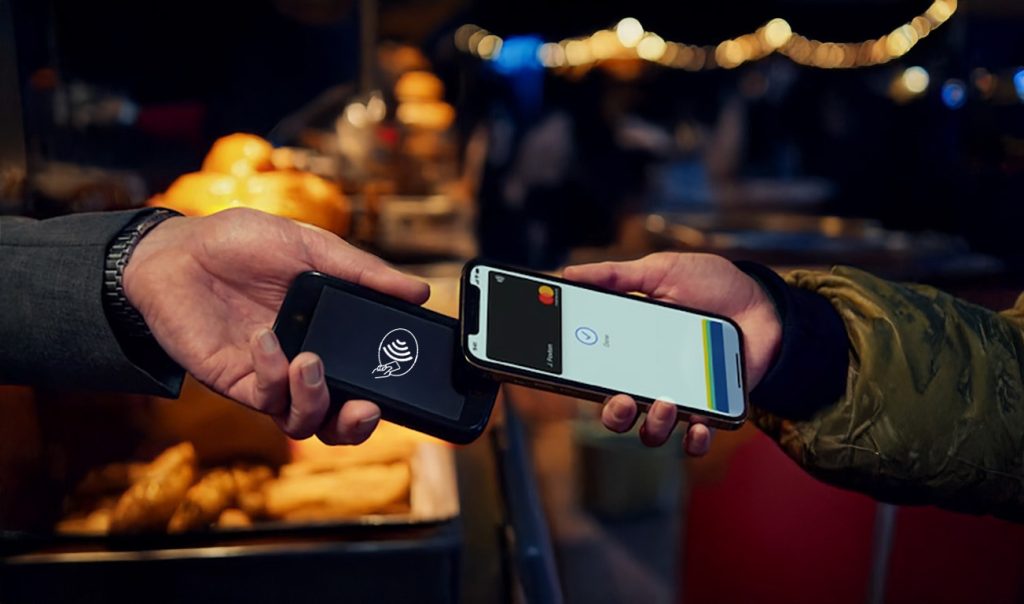
When operating market stalls across Ireland, implementing reliable market stall payments Ireland solutions becomes essential for maximizing sales and accommodating customer payment preferences in outdoor environments. Outdoor payment processing presents unique challenges including weather exposure, power limitations, and connectivity issues that traditional indoor payment systems cannot address effectively. Understanding the available portable payment options and their capabilities helps market traders select solutions that maintain reliable service delivery while withstanding the demanding conditions of Irish outdoor markets and seasonal weather variations.
The growth of cashless payments in Ireland has made portable payment processing essential for market success, with customers increasingly expecting card and contactless payment options at outdoor vendors. Market traders who invest in appropriate payment technology often see significant increases in sales volume and customer satisfaction, making the selection of suitable equipment crucial for business success and competitive positioning.
Understanding Market Stall Payments Ireland Requirements
Market stall payments Ireland operations face distinctive challenges that require specialized equipment and solutions designed specifically for outdoor commercial environments and mobile business applications.
Weather resistance becomes paramount for equipment operating in Ireland’s variable climate, requiring protection against rain, wind, temperature fluctuations, and humidity that can damage sensitive electronic components and disrupt business operations.
Portability requirements demand lightweight, compact solutions that can be easily transported, set up, and secured while maintaining professional appearance and reliable functionality throughout operating hours.
Power independence necessitates battery-powered or alternative power solutions that provide sufficient operating time for full market days without access to mains electricity or reliable charging infrastructure.
Connectivity challenges in outdoor locations require robust communication solutions that maintain reliable payment processing capabilities despite potential signal limitations and network coverage variations.
Security considerations for portable equipment include physical security, data protection, and fraud prevention measures that protect both equipment and customer payment information in public environments.
For comprehensive market stall payment solution analysis, Compayre.ie’s mobile payment consultation provides expert guidance tailored to Irish market trader requirements and outdoor payment processing challenges.
Outdoor Payment Processing: Technology Overview
Outdoor payment processing encompasses various technology solutions designed to address the unique requirements of mobile and temporary business operations in challenging environmental conditions.
Portable Payment Terminal Types
Battery-powered card machines provide the most common solution for market stalls, offering 6-12 hours of continuous operation with contactless, chip, and PIN processing capabilities in weatherproof housings designed for outdoor use.
Smartphone and tablet solutions leverage existing mobile devices through specialized card readers and payment applications, providing cost-effective options for traders with limited budgets or occasional payment processing needs.
All-in-one mobile POS systems combine payment processing with inventory management, sales reporting, and customer management capabilities in ruggedized packages designed for outdoor commercial applications.
Hybrid solutions integrate multiple payment methods including card processing, mobile wallets, and QR code payments in single devices that accommodate diverse customer preferences and payment technologies.
Communication Technology Options
4G/5G cellular connectivity provides primary communication for most outdoor payment processing, offering nationwide coverage and reliable data transmission for transaction authorization and settlement.
Wi-Fi connectivity through mobile hotspots or venue-provided networks can supplement cellular communication while potentially reducing data costs and improving connection reliability in some locations.
Bluetooth connectivity enables communication between payment devices and mobile phones or tablets while maintaining security standards and enabling flexible payment processing configurations.
Offline processing capabilities allow continued operation during connectivity interruptions, storing transactions locally for processing when communication resumes and ensuring uninterrupted service delivery.
Power Management Solutions
Extended battery systems provide all-day operation through high-capacity lithium batteries and power management systems that optimize energy usage and extend operating time.
Solar charging options supplement battery power through portable solar panels and charging systems that provide sustainable power solutions for extended outdoor operations.
Power banks and external battery systems offer backup power and extended operation time while providing flexible charging options and emergency power capability.
Vehicle power integration enables connection to car or van electrical systems for extended operation and battery charging during transport and setup periods.
Weather Resistance and Durability Analysis
Ireland’s changeable weather conditions create significant challenges for market stall payments Ireland equipment, requiring robust protection against environmental hazards and operational conditions.
IP Rating Standards and Protection
IP54 rating provides adequate protection against dust ingress and water splashing for most market stall applications, ensuring reliable operation during light rain and normal outdoor conditions.
IP65 rating offers enhanced protection against dust and water jets, suitable for more demanding outdoor environments and harsh weather conditions that may be encountered at exposed market locations.
IP67 rating provides superior protection against temporary immersion and harsh environmental conditions, ideal for equipment used in extreme weather or high-exposure outdoor trading situations.
Temperature resistance specifications ensure reliable operation across Ireland’s seasonal temperature range, typically from -10°C to +40°C, while maintaining performance and preventing component damage.
Protective Housing and Design
Shock-resistant construction protects against drops, impacts, and vibration during transport and setup, ensuring reliable operation despite rough handling and mobile use environments.
Sealed connectors prevent moisture and dust ingress into charging ports and data connections, maintaining reliable connectivity and preventing corrosion that could affect device functionality.
Anti-glare screens improve visibility in bright sunlight and outdoor lighting conditions, ensuring clear display visibility for both operators and customers during payment processing.
Ergonomic design features enable comfortable handling and operation during extended use periods while providing secure grip and easy manipulation in various weather conditions.
Environmental Testing and Certification
Salt spray testing validates corrosion resistance for equipment used near coastal markets and marine environments where salt air exposure can accelerate component deterioration.
Vibration testing ensures reliable operation during transport and setup while validating component security and connection integrity under mobile use conditions.
Drop testing verifies impact resistance and component protection during accidental drops or rough handling that commonly occurs in busy market environments.
Thermal cycling tests validate performance across temperature variations and rapid climate changes that equipment may experience during outdoor use in Irish weather conditions.
For detailed weather resistance analysis and equipment recommendations, Compayre.ie’s environmental testing consultation provides expert evaluation of payment equipment durability and protection requirements.
Battery Life and Power Management
Effective power management represents a critical success factor for outdoor payment processing, requiring careful evaluation of energy requirements and power optimization strategies.
Battery Technology and Performance
Lithium-ion batteries provide optimal energy density and charging characteristics for portable payment equipment, typically offering 8-12 hours of continuous operation on single charges.
Battery capacity specifications measured in mAh (milliamp hours) indicate operating duration, with higher capacity batteries providing longer operation but increased size and weight.
Charging time requirements vary from 2-6 hours for full battery restoration, affecting overnight preparation and mid-day charging strategies for extended operation periods.
Battery degradation over time reduces capacity and operating duration, typically requiring replacement after 2-3 years of regular use depending on charge cycles and operating conditions.
Power Consumption Optimization
Low-power modes during idle periods extend battery life by reducing screen brightness, disabling unnecessary functions, and optimizing processor usage while maintaining readiness for transactions.
Transaction efficiency affects power consumption, with contactless payments typically requiring less energy than chip and PIN transactions due to reduced processing time and display usage.
Connectivity management optimizes power usage through intelligent network selection, signal strength monitoring, and communication protocol optimization that minimizes energy consumption.
Peripheral device power management for receipt printers, barcode scanners, and other accessories affects total system power consumption and battery life planning.
Extended Power Solutions
Power banks provide additional battery capacity through external charging devices that can extend operation time beyond internal battery limits while offering emergency power backup.
Solar charging systems including portable panels and charging controllers provide sustainable power supplementation for extended outdoor operations and environmental responsibility.
Vehicle charging through 12V adapters enables battery restoration during transport while providing convenient charging options for mobile traders and traveling markets.
Mains charging opportunities at venues with electrical access provide rapid battery restoration and unlimited operation time for markets with power infrastructure.
Battery Management Best Practices
Charging schedules optimize battery life through proper charging cycles, avoiding complete discharge, and maintaining optimal charge levels for extended battery lifespan.
Temperature management protects batteries from extreme temperatures that can reduce capacity and lifespan while ensuring reliable operation across seasonal conditions.
Backup strategies include multiple batteries, power banks, or alternative payment methods that ensure continued operation during power failures or battery depletion.
Monitoring systems track battery performance and provide early warning of degradation or capacity reduction that may require battery replacement or service.
Connectivity Solutions for Outdoor Markets
Reliable connectivity represents the foundation of successful market stall payments Ireland operations, requiring robust communication solutions that maintain payment processing capability in diverse outdoor environments.
Mobile Network Coverage
4G LTE networks provide comprehensive coverage across most Irish market locations, offering reliable data transmission for payment processing and real-time transaction authorization.
5G network availability in urban areas offers enhanced speed and capacity for high-volume payment processing, though coverage remains limited in rural market locations.
Network provider comparison reveals coverage differences across Ireland, making provider selection critical for optimal connectivity at specific market locations and trading routes.
Signal strength optimization through external antennas, signal boosters, and device positioning can improve connectivity reliability in marginal coverage areas.
Alternative Connectivity Options
Wi-Fi connectivity through market-provided networks or mobile hotspots offers alternative communication options while potentially reducing cellular data costs and improving connection reliability.
Satellite internet provides connectivity in remote locations where terrestrial networks may be inadequate, though higher latency and costs limit practical applications for most market operations.
Mesh networking between nearby traders can provide shared connectivity and backup communication options while reducing individual connectivity costs and improving reliability.
Offline processing capabilities enable continued payment acceptance during connectivity interruptions, with automatic transaction processing when communication resumes.
Data Plan Optimization
Business data plans offer higher data allowances and priority network access that ensure adequate capacity for payment processing and business management applications.
Unlimited data options provide cost predictability and eliminate overage concerns while ensuring adequate capacity for high-volume trading periods and extended operations.
Roaming considerations for cross-border trading require appropriate data plans and provider arrangements that maintain connectivity while managing costs effectively.
Data usage monitoring tracks consumption patterns and identifies optimization opportunities while preventing overage charges and ensuring adequate capacity.
Connectivity Backup Systems
Dual-SIM solutions enable automatic switching between different mobile networks to maintain connectivity during network outages or coverage gaps.
Mobile Wi-Fi hotspots provide internet access for multiple devices while offering potential cost savings and improved connectivity management for complex trading operations.
Tethering capabilities through smartphones enable backup internet access while providing flexibility and redundancy for payment processing systems.
Offline payment capabilities including chip and PIN processing without real-time authorization provide emergency payment acceptance during complete connectivity failure.
For comprehensive connectivity planning and optimization, Compayre.ie’s connectivity consultation provides expert guidance on communication solutions and network optimization for outdoor payment processing.
Portable Payment Solution Categories
The outdoor payment processing market offers diverse solution categories, each addressing different business requirements, budget constraints, and operational preferences.
Basic Card Readers
Smartphone attachment card readers provide cost-effective payment processing through existing mobile devices while offering portability and ease of setup for basic market operations.
Bluetooth connectivity enables wireless communication between card readers and smartphones while maintaining flexibility and reducing cable complexity during setup and operation.
Limited functionality focuses on essential payment processing without advanced features, providing affordable entry-level solutions for traders with straightforward requirements.
App-based management through smartphone applications provides transaction processing, reporting, and customer management while leveraging existing device capabilities and reducing hardware costs.
Integrated Mobile Terminals
All-in-one design combines card processing, receipt printing, and display functions in single weatherproof units designed specifically for outdoor commercial applications.
Advanced features including inventory management, sales reporting, and customer database capabilities provide comprehensive business management while maintaining portability.
Professional appearance enhances customer confidence and brand image while providing reliable operation and comprehensive functionality for established market businesses.
Expandable systems support additional peripherals and accessories while providing growth capability and operational flexibility for evolving business requirements.
Tablet-Based Solutions
Rugged tablet platforms provide large displays and comprehensive functionality while maintaining portability and weather resistance suitable for outdoor market operations.
Multi-application capability enables payment processing, inventory management, customer communication, and business administration through single devices.
Accessory integration supports barcode scanners, receipt printers, and cash drawers while providing comprehensive point-of-sale functionality for complex trading operations.
Cloud synchronization enables real-time data backup and multi-device operation while providing business continuity and comprehensive reporting capabilities.
Specialized Market Solutions
Market-specific designs address unique requirements of outdoor trading including enhanced weather protection, extended battery life, and simplified operation for challenging environments.
Industry partnerships with market management companies provide integrated solutions and support services designed specifically for organized market operations.
Seasonal rental options accommodate businesses with limited trading periods while providing access to professional equipment without full purchase investment.
Support services including training, technical assistance, and equipment replacement ensure reliable operation and business continuity for market traders.
Cost Analysis and ROI Considerations
Understanding the financial implications of market stall payments Ireland solutions helps traders make informed investment decisions that optimize business performance and profitability.
Equipment Investment Analysis
Initial costs for portable payment solutions range from €150-800 depending on functionality and features, with basic card readers offering affordable entry points and comprehensive systems requiring higher investment.
Monthly service fees typically add €20-60 to operational costs while providing payment processing, technical support, and software updates that ensure continued functionality.
Transaction fees usually range from 1.5-3.5% of sale value plus fixed charges, making fee structure comparison essential for businesses with varying transaction patterns and average sale values.
Total cost of ownership calculations should include equipment, service fees, transaction charges, and operational costs over realistic timeframes to enable accurate cost comparison.
Revenue Impact Assessment
Card payment acceptance typically increases market stall sales by 20-40% as customers increasingly prefer cashless payment options over cash transactions for convenience and security.
Average transaction values often increase with card payments as customers tend to spend more when not limited by available cash, improving per-customer revenue and business profitability.
Customer satisfaction improvements through convenient payment options encourage repeat business and positive recommendations while supporting business growth and market positioning.
Operational efficiency gains from automated payment processing and digital transaction records reduce administrative time while improving accuracy and business management.
Break-Even Analysis
Payback periods for portable payment equipment typically range from 3-8 months depending on transaction volume and average sale values, with higher-volume businesses achieving faster returns.
Sales increase requirements to justify equipment costs vary based on margins and fees, typically requiring 15-25% increase in card payment volume to cover equipment and processing costs.
Seasonal considerations affect ROI calculations for businesses with limited trading periods, requiring analysis of concentrated usage and seasonal revenue patterns.
Growth projections influence optimal equipment selection and investment timing while ensuring technology choices support business development and expansion plans.
Implementation and Setup Considerations
Successful deployment of outdoor payment processing solutions requires careful planning and systematic implementation that ensures optimal performance and reliable operation.
Setup and Configuration
Initial configuration includes payment processor registration, device setup, and software installation while ensuring proper security settings and compliance with payment industry standards.
Testing procedures validate functionality, connectivity, and transaction processing while identifying potential issues before full operational deployment and customer service.
Staff training ensures effective operation and troubleshooting capability while building confidence and competence that maximizes equipment utilization and customer service quality.
Security setup including access codes, encryption, and fraud prevention measures protects against unauthorized use while ensuring compliance with payment security standards.
Operational Procedures
Daily setup routines ensure equipment readiness and optimal configuration while providing systematic approaches that minimize startup time and operational complexity.
Transaction processing procedures including customer communication, receipt handling, and error resolution ensure professional service delivery and customer satisfaction.
End-of-day procedures including settlement processing, equipment securing, and data backup protect business interests while ensuring accurate financial records and operational continuity.
Maintenance schedules for cleaning, charging, and inspection extend equipment life while ensuring reliable operation and preventing issues that could disrupt business operations.
Security and Compliance
PCI DSS compliance requirements apply to all payment processing operations, requiring appropriate data handling, security measures, and operational procedures regardless of business size.
Equipment security measures including physical protection, access controls, and theft prevention protect valuable equipment while ensuring business continuity and reducing insurance risks.
Data protection procedures ensure customer information security while complying with GDPR requirements and maintaining customer trust in payment processing systems.
Incident response planning addresses equipment failure, security breaches, and operational disruptions while maintaining customer service and business protection.
For comprehensive implementation support and training, Compayre.ie’s implementation services provide expert guidance throughout equipment deployment and optimization processes.
Market-Specific Requirements and Regulations
Irish outdoor markets operate under specific regulations and requirements that affect market stall payments Irelandimplementation and operational procedures.
Regulatory Compliance
Revenue reporting requirements include proper transaction recording and tax documentation through electronic payment systems that provide comprehensive audit trails and compliance support.
Consumer protection obligations ensure fair treatment of customers and proper handling of payment disputes while maintaining clear refund procedures and customer service standards.
Health and safety regulations may affect equipment placement and operation while ensuring safe customer interactions and compliance with market operation requirements.
Insurance requirements may include coverage for payment processing equipment and liability protection while ensuring comprehensive business protection and regulatory compliance.
Market Authority Requirements
Vendor licensing may specify payment processing capabilities and procedures while ensuring compliance with market operation standards and customer service requirements.
Equipment certification requirements ensure payment devices meet safety and security standards while providing appropriate documentation for market authority compliance.
Operational procedures mandated by market management may affect payment processing setup and customer interaction while ensuring consistent market operations and customer experience.
Reporting obligations to market authorities may require transaction data and operational information while supporting market management and regulatory oversight.
Local Authority Considerations
Trading licenses may specify payment processing requirements and capabilities while ensuring compliance with local business operation regulations and customer protection standards.
Planning permissions for temporary structures and equipment may affect payment processing setup while ensuring compliance with local planning and safety requirements.
Environmental regulations may affect equipment disposal and battery management while ensuring responsible business operations and environmental compliance.
Accessibility requirements ensure payment processing accommodates customers with disabilities while complying with equality legislation and customer service standards.
Technology Trends and Future Developments
The outdoor payment processing landscape continues evolving through technological advancement and changing customer preferences that create new opportunities and challenges for market traders.
Emerging Payment Technologies
QR code payments enable smartphone-based transactions without additional hardware while providing cost-effective payment options and reduced equipment complexity for simple trading operations.
Contactless advancement including higher transaction limits and enhanced security features improves customer convenience while reducing processing time and equipment complexity.
Cryptocurrency acceptance remains experimental for most market traders though growing interest and regulatory clarity may create opportunities for early adopters in specific markets.
Biometric authentication through fingerprint and facial recognition may enhance security while improving customer experience through streamlined verification processes.
Connectivity Improvements
5G network expansion across Ireland will provide enhanced connectivity for mobile businesses while enabling faster transaction processing and advanced applications.
Satellite internet developments may provide reliable connectivity in remote locations while expanding operational opportunities for traders serving rural areas and special events.
Edge computing capabilities enable local transaction processing while reducing latency and improving reliability for payment processing applications.
IoT integration with market infrastructure may provide shared connectivity and services while reducing individual equipment costs and improving operational efficiency.
Equipment Evolution
Enhanced battery technology provides longer operation time and faster charging while reducing weight and improving reliability for extended outdoor use.
Improved weather resistance through advanced materials and design provides better protection while maintaining functionality and appearance in harsh conditions.
Artificial intelligence integration enables intelligent payment routing and fraud detection while optimizing transaction processing and customer experience.
Modular design approaches enable customizable solutions while providing upgrade paths and cost optimization for diverse business requirements.
Best Practices and Success Strategies
Implementing successful market stall payments Ireland requires adopting proven practices and strategies that optimize equipment performance while ensuring customer satisfaction and business success.
Equipment Selection Guidelines
Needs assessment should evaluate transaction volume, customer preferences, and operational requirements while considering budget constraints and growth projections for optimal equipment selection.
Feature prioritization focuses on essential capabilities while avoiding unnecessary complexity that could affect reliability or increase costs without providing proportional business benefits.
Scalability planning ensures equipment choices support business growth while providing upgrade paths and expansion capability for evolving requirements.
Vendor evaluation includes consideration of support quality, training availability, and long-term partnership potential beyond basic equipment functionality and pricing.
Operational Optimization
Customer education about payment options and procedures improves transaction efficiency while reducing errors and enhancing customer experience during busy periods.
Queue management strategies accommodate payment processing time while maintaining customer flow and satisfaction during peak trading periods.
Backup procedures ensure continued operation during equipment failures while maintaining customer service and business continuity through alternative payment methods.
Performance monitoring tracks transaction success rates and identifies optimization opportunities while ensuring equipment effectiveness and customer satisfaction.
Customer Service Excellence
Professional presentation of payment equipment and procedures enhances customer confidence while maintaining business credibility and market positioning.
Error handling procedures address payment failures and technical issues while maintaining customer satisfaction and resolving problems efficiently and professionally.
Receipt management including digital options and environmental considerations provides customer convenience while supporting business records and operational efficiency.
Accessibility accommodation ensures all customers can use payment systems while complying with equality requirements and maintaining inclusive business practices.
Conclusion: Optimizing Market Stall Payment Success
Selecting appropriate market stall payments Ireland solutions requires balancing weather resistance, battery life, and connectivity capabilities against cost and operational requirements. Outdoor payment processing success depends on choosing equipment that reliably operates in challenging Irish weather conditions while providing excellent customer experience and supporting business growth objectives.
The investment in quality portable payment equipment typically pays dividends through increased sales, improved customer satisfaction, and enhanced business credibility that justify equipment costs and ongoing service fees. Market traders who prioritize reliable payment processing often achieve competitive advantages that translate into superior financial performance and customer loyalty.
Understanding the unique requirements of outdoor trading environments helps inform equipment selection while ensuring technology choices support both immediate operational needs and long-term business development. Professional guidance can streamline equipment evaluation while ensuring optimal solutions that maximize business potential and customer satisfaction.
Success in Irish outdoor markets requires more than quality products—it demands professional payment processing capabilities that meet modern customer expectations while operating reliably in challenging conditions. The right equipment selection and implementation strategy can transform market trading operations while supporting sustainable business growth and success.
Ready to optimize your market stall payment processing with weather-resistant, long-lasting portable solutions? Contact Compayre.ie at +353 1 265 4403 or visit www.compayre.ie for expert consultation on outdoor payment processing equipment and mobile payment solutions tailored to Irish market trader requirements. Our specialized services help market businesses select optimal portable payment systems that deliver reliable performance in challenging outdoor conditions while maximizing sales and customer satisfaction.