Choosing the best card machines for small business operations can transform how you handle transactions and serve your customers. Whether you’re running a café in Dublin, a boutique in Cork, or a market stall in Galway, having the right payment terminal is essential for smooth daily operations and customer satisfaction.
In today’s cashless economy, Irish consumers increasingly expect to pay by card or contactless methods. According to the Central Bank of Ireland, card payments now account for the vast majority of retail transactions across the country. This shift means that selecting appropriate card payment technology isn’t just convenient—it’s critical for business success.
This guide explores everything you need to know about card machines for small business owners in Ireland, helping you make an informed decision that suits your budget and operational needs.
Why Small Businesses Need Reliable Card Machines
The payment landscape has changed dramatically in recent years. Cash transactions continue to decline whilst card and digital payments dominate. For small business owners, this presents both an opportunity and a necessity.
Accepting card payments allows you to capture more sales from customers who rarely carry cash. It also speeds up transaction times, reduces the risk of handling cash, and provides automatic record-keeping that simplifies accounting and VAT returns.
Modern card machines for small business operations offer far more than basic payment processing. Many integrate with inventory management, customer loyalty programmes, and accounting software, creating a comprehensive business management tool.
Types of Card Machines Available in Ireland
Understanding the different types of payment terminals helps you identify which solution matches your business model.
Countertop Card Terminals
Traditional countertop machines remain popular for businesses with fixed checkout points. These devices connect to your phone line or internet connection and sit permanently at your till. They’re reliable, straightforward to use, and typically the most affordable option for shops and restaurants with stable locations.
Portable Card Readers
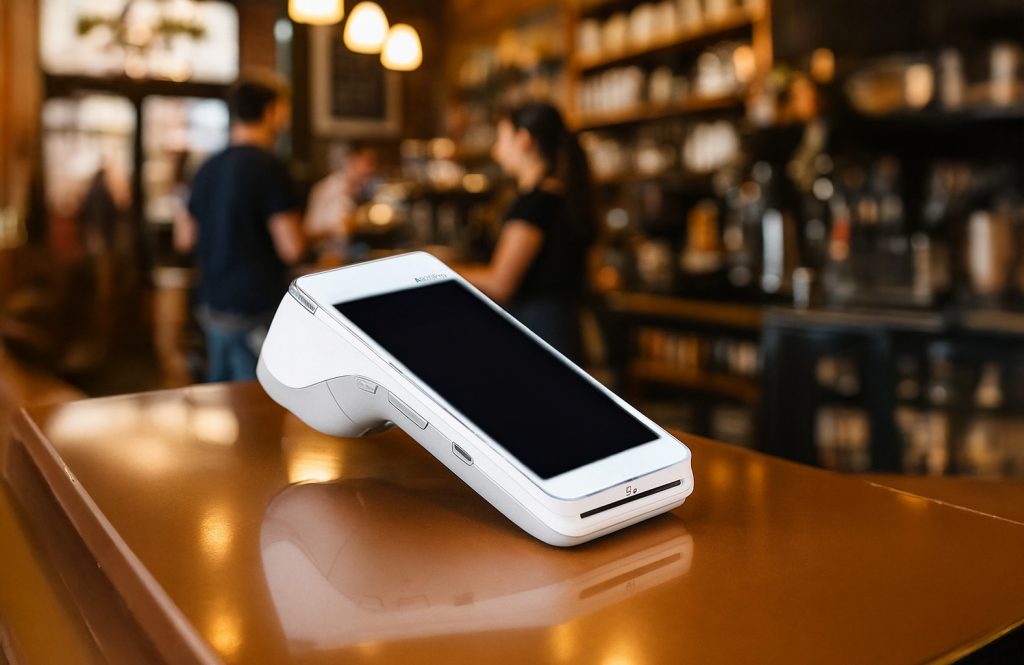
Portable terminals work via Wi-Fi or Bluetooth connectivity, allowing you to take payments anywhere within your premises. These suit table service restaurants, hotels, or retail environments where you want to complete transactions on the shop floor rather than queuing at a fixed till point.
Mobile Card Machines
Mobile card readers use 4G or 5G connectivity, making them ideal for businesses that operate away from fixed locations. Market traders, delivery drivers, tradespeople, and pop-up retailers benefit from these truly portable solutions that work anywhere with mobile signal coverage.
Smart EPOS Systems
EPOS systems combine payment processing with comprehensive business management tools. These solutions include inventory tracking, sales reporting, staff management, and customer relationship features. Providers like Smartpos offer industry-specific systems designed for hospitality, retail, and service businesses throughout Ireland.
Key Features to Consider
When evaluating card machines for small business use, several features deserve careful consideration.
Payment Methods Supported
Ensure your chosen terminal accepts all major debit and credit cards, contactless payments, and mobile wallets like Apple Pay and Google Pay. The ability to process chip and PIN, magnetic stripe, and contactless transactions provides maximum flexibility for your customers.
Transaction Fees and Costs
Payment processing costs vary considerably between providers. Most charge a percentage of each transaction plus a fixed fee. New Payment Innovation and other Irish merchant service providers offer transparent pricing structures that help you calculate your actual costs.
Compare both the headline transaction rates and any monthly fees, terminal rental charges, or contract terms. Some providers offer lower transaction fees but higher monthly costs, whilst others work on a pay-as-you-go basis.
Contract Flexibility
Many card machine providers require long-term contracts, typically 18 to 36 months. However, rolling monthly contracts are increasingly available, giving small businesses greater flexibility. Consider your business stability and growth plans when deciding between contract lengths.
Integration Capabilities
If you use accounting software like Xero or Sage, or run an online shop alongside your physical location, choosing a payment system that integrates with your existing tools saves time and reduces errors. easyPayments offers solutions that connect seamlessly with popular business software.
Customer Support
Reliable technical support matters when your payment system experiences issues. Look for providers offering Irish-based support teams who understand local business needs and can respond quickly during trading hours.
How to Choose the Right Provider
Selecting from Ireland’s card machine providers requires comparing several factors beyond just transaction fees.
Consider your average transaction value and monthly sales volume, as these affect which pricing structure offers the best value. A business processing many small transactions needs different terms than one handling fewer large payments.
Think about your business location and whether you need portable or mobile functionality. Also consider future growth—will you open additional locations, add staff, or expand your product range? Choosing scalable technology now avoids costly changes later.
Request quotes from multiple providers and compare like-for-like offerings. Don’t hesitate to negotiate terms, especially if you process significant transaction volumes.
Setting Up Your Card Machine
Once you’ve selected a provider, the setup process typically takes one to two weeks. You’ll need to provide business documentation including your business registration, bank details, and identification.
Most modern terminals require minimal technical setup. Countertop devices need a power source and internet or phone line connection, whilst mobile readers simply require charging and pairing with your smartphone or tablet.
Your provider should offer training on using the terminal, processing refunds, and managing settlements. Take advantage of this support to ensure your staff feel confident with the new system.
Compliance and Security Considerations
Card payment processing in Ireland must comply with Payment Card Industry Data Security Standards (PCI DSS). Reputable providers ensure their terminals meet these requirements, protecting both you and your customers from fraud.
Modern card machines encrypt payment data, ensuring sensitive information remains secure. Never bypass security features or allow unauthorised modifications to your payment terminals.
Making the Switch to Better Payment Solutions
If you’re currently using an outdated card machine or paying excessive fees, switching providers is straightforward. Most contracts include notice periods, but once these expire, you can move to a new supplier with minimal disruption.
Compare your current costs against alternatives by reviewing several months of statements. Calculate your average transaction fees and monthly charges, then request quotes from alternative providers based on these actual figures.
Start Comparing Card Machines Today
Finding the best card machines for small business operations doesn’t need to be complicated. By understanding your specific requirements, comparing features and costs, and choosing a provider that supports Irish businesses, you’ll secure a payment solution that serves your needs for years to come.
At Compayre, we specialise in helping Irish business owners compare merchant services and find the perfect payment solution. Our independent comparison service evaluates providers based on pricing, features, contract terms, and customer support, ensuring you make an informed decision without sales pressure.
Ready to find the ideal card machine for your business? Visit compayre.ie or call us on +353 1 265 4403 to speak with our expert team. We’ll help you compare options and secure the best deal for your small business in Ireland.