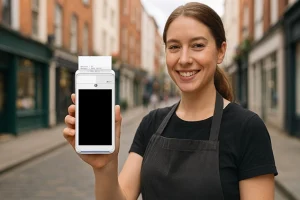

Effective charity payments Ireland systems are essential for maximising donations and supporting your organisation’s mission. Whether you operate a registered charity, community group, or non-profit organisation, how you accept and process donations directly impacts your fundraising success, donor satisfaction, and operational efficiency. The right payment solutions help you capture more donations, reduce processing costs through special charity rates, and maintain compliance with Irish charity regulations.
Irish charities and non-profit organisations face unique challenges when processing payments. Donors increasingly expect convenient digital payment options, transparent processing, and immediate confirmation of their contributions. According to the Charities Regulator, Ireland’s charity sector continues to evolve, with technology playing an increasingly important role in fundraising effectiveness and operational transparency.
This guide explores non-profit payment processing in Ireland, focusing on reduced rates available to charities, donation optimisation strategies, and compliance requirements that protect both your organisation and your donors.
Understanding Charity Payment Processing
Charity payment processing differs from standard merchant services in several important ways, with specific considerations around rates, regulations, and donor expectations.
Why Payment Processing Matters
Accepting diverse payment methods increases donation accessibility. Many potential donors no longer carry cash, making card and digital payment options essential for capturing contributions at events, through your website, and during street fundraising campaigns. Modern charity payments Ireland systems support credit cards, debit cards, contactless payments, and digital wallets, ensuring no donation opportunity is missed.
Efficient payment processing also reduces administrative burden, allowing your team to focus on mission-critical activities rather than manual payment reconciliation. Automated systems track donations, generate receipts, and integrate with your donor management software.
Types of Charity Payment Scenarios
Charities process payments in various contexts, each requiring different solutions. Online donations through your website represent a growing proportion of charitable giving, requiring secure payment gateways and recurring donation capabilities. Event-based fundraising including gala dinners, charity auctions, and sponsored activities needs mobile or portable payment terminals.
Regular giving programmes where donors contribute monthly or annually require systems supporting recurring payments and automatic donor communications. Street and door-to-door fundraising demands compact, mobile payment solutions that work anywhere with reliable connectivity.
Regulatory Framework
Irish charities must comply with regulations from multiple authorities. The Charities Regulator oversees charity governance and fundraising practices, whilst the Central Bank of Ireland regulates payment services. Understanding these requirements ensures your payment processing supports rather than compromises your compliance obligations.
Special Charity Rates and Fee Structures
One of the most significant advantages available to registered charities is access to reduced payment processing rates that help maximise the impact of every donation.
Reduced Transaction Fees
Many payment processors offer preferential rates to registered charities and non-profit organisations. Whilst standard merchant services might charge 1.5-3% per transaction, charity rates often range from 0.8-1.5%, representing substantial savings on donation processing costs.
These reduced rates apply specifically to charitable donations rather than trading income. If your charity operates a shop or sells goods and services, those transactions typically process at standard commercial rates, with only genuine donations qualifying for preferential pricing.
Qualifying for Charity Rates
To access reduced charity payments Ireland rates, you’ll need to demonstrate your charitable status. Payment processors typically require your Charity Registration Number (CRN) issued by the Charities Regulator, proof of charitable objects from your governing document, and sometimes evidence of your charitable activities.
Providers like easyPayments and New Payment Innovation offer charity-specific payment solutions with transparent pricing structures designed for non-profit organisations.
Understanding Total Costs
Beyond transaction percentages, consider all costs when evaluating non-profit payment processing options. Monthly account fees can significantly impact smaller charities with limited donation volumes. Some providers waive monthly fees for registered charities, whilst others charge reduced rates compared to commercial accounts.
Equipment costs for payment terminals, whether purchased outright or rented monthly, also affect your budget. Terminal-free solutions using smartphones or tablets with card readers may offer cost-effective alternatives for smaller organisations.
Comparing Providers
Request quotes specifically highlighting charity rates and fee structures. Some providers advertise low transaction rates but include high monthly fees that negate the savings. Compare total costs based on your expected monthly donation volume to identify the most cost-effective solution for your charity.
Optimising Online Donation Processing
Digital donations represent a growing proportion of charitable giving, making optimised online payment systems essential for fundraising success.
User-Friendly Donation Pages
Your donation page significantly impacts conversion rates. Simple, clear forms that request only essential information reduce abandonment. Allow donors to choose their contribution amount with suggested donation levels that guide without pressuring. Include a custom amount option for flexibility.
Display trust signals including your charity registration number, security certifications, and clear explanations of how donations will be used. Transparency builds confidence and encourages larger contributions.
Multiple Payment Options
Offering diverse payment methods increases donation completion rates. Support major credit and debit cards, digital wallets like Apple Pay and Google Pay, and consider emerging options like direct bank transfers. The more payment options you provide, the more likely donors can use their preferred method.
Recurring Donation Capabilities
Regular giving programmes provide predictable income that supports long-term planning. Your charity payments Ireland system should easily support recurring donations with flexible frequency options (weekly, monthly, annually), simple setup requiring minimal donor effort, and automated communications thanking donors and updating them on impact.
Recurring donors typically contribute more over time than one-off donors, making these programmes highly valuable for sustainable fundraising.
Mobile Optimisation
Many donors access charity websites via smartphones, making mobile-optimised donation pages essential. Payment forms should work flawlessly on small screens with large, tappable buttons, minimal typing requirements, and mobile wallet integration.
Gift Aid Integration
Irish donors can increase their contribution’s value through tax relief under the Revenue Commissioners donation scheme. Your online donation system should include clear Gift Aid declarations, securely store donor declarations for compliance, and integrate with your donor management system to track eligible donations.
Optimised Gift Aid processes can increase donation values by up to 45%, representing significant additional income at no cost to donors.
Event Fundraising Payment Solutions
Charity events require payment solutions that work reliably in varied venues whilst providing excellent donor experiences.
Mobile Payment Terminals
Portable terminals with 4G or 5G connectivity enable card payments anywhere. These devices suit outdoor events, door-to-door fundraising, and venues without reliable Wi-Fi. Look for terminals with long battery life, weather resistance for outdoor use, and simple interfaces that volunteers can operate confidently.
Tablet-Based Solutions
Tablets running payment applications provide flexible, cost-effective event solutions. Paired with card readers, tablets enable payment acceptance whilst displaying additional information about your charity, capturing donor details for future communications, and providing real-time fundraising totals that motivate participants.
Contactless Donation Devices
Contactless donation terminals positioned at events or in public spaces enable impulse giving. These devices accept tap-to-donate payments at preset amounts, require no staff oversight, and provide donor receipts via SMS or email. They’re particularly effective at exhibitions, festivals, and permanent charity locations.
Compliance and Regulatory Considerations
Maintaining compliance with charity and payment regulations protects your organisation and donors whilst preserving your charitable status.
Charities Regulator Requirements
The Charities Regulator establishes governance standards for Irish charities. Your payment processing must support transparent financial management with clear audit trails, separation of duties in financial processes, and accurate record-keeping for annual reporting.
Ensure your payment systems generate reports meeting Charities Regulator requirements, including detailed donation records, processing fee transparency, and clear distinction between donation income and trading income.
Data Protection Obligations
Processing donor payments involves handling personal data, requiring compliance with GDPR. Your non-profit payment processing systems must securely store donor information, obtain appropriate consent for communications, allow donors to access and delete their data, and maintain records of data processing activities.
Choose payment providers who prioritise data security and support your GDPR compliance obligations through secure systems and clear data processing agreements.
Payment Security Standards
Charities accepting card payments must comply with Payment Card Industry Data Security Standards (PCI DSS). Most charities achieve compliance by using certified payment processors who handle card data securely, meaning you never store sensitive payment information directly.
Reputable payment providers manage PCI compliance on your behalf, significantly reducing your compliance burden whilst ensuring donor payment data remains protected.
Financial Reporting
Transparent financial reporting builds donor trust and meets regulatory requirements. Your payment systems should integrate with accounting software, generate detailed transaction reports for annual accounts, and clearly separate different income streams (donations, trading, grants) for accurate financial statements.
Donation Optimisation Strategies
Beyond accepting payments, strategic approaches maximise donation values and donor engagement.
Suggested Donation Amounts
Presenting suggested donation levels influences donor behaviour. Research shows that providing three options with the middle option highlighted as “most popular” encourages larger contributions than simply asking for any amount.
Set suggested amounts based on your typical donor profile and cause, ensuring the lowest option remains accessible whilst higher options encourage stretch gifts.
Impact Messaging
Connecting donation amounts to tangible impact increases engagement. Rather than generic appeals, explain specifically what different donation levels achieve: “€25 provides school supplies for one child for a term” or “€100 funds a week of meals for a homeless person.”
This transparency helps donors understand their contribution’s value and may encourage larger gifts from those wanting to achieve specific impacts.
Donation Matching Campaigns
Limited-time matching campaigns where donations are doubled by a sponsor create urgency and encourage immediate giving. Your charity payments Ireland system should support campaign tracking, display matching progress in real-time, and automatically end campaigns when targets are reached.
These campaigns consistently outperform standard fundraising appeals by leveraging donors’ desire to maximise their impact.
Automated Acknowledgement
Immediate, personalised acknowledgement improves donor satisfaction and increases the likelihood of future contributions. Automated systems should send instant email receipts including donation amounts, tax relief information, and heartfelt thanks, followed by personalised communications explaining how donations are being used.
Recurring Donation Upselling
When processing one-off donations, gently suggest converting to regular giving. Simple prompts like “Would you like to make this a monthly donation?” can significantly increase recurring donor numbers. Emphasise the convenience and greater long-term impact of regular contributions.
Donor Management Integration
Connecting payment processing with donor management systems creates comprehensive supporter insights that inform fundraising strategy.
CRM Integration
Modern non-profit payment processing systems integrate with donor management platforms like Salesforce Nonprofit Cloud, Donorfy, or Beacon. This integration automatically updates donor records with contribution history, eliminates manual data entry, enables segmentation based on giving patterns, and supports targeted fundraising campaigns.
Reporting and Analytics
Comprehensive reporting helps you understand fundraising performance. Your payment system should track donation trends over time, analyse giving patterns by donor segment, identify your most valuable supporters, and measure campaign effectiveness against costs.
Gift Aid Tracking
Accurate Gift Aid tracking maximises tax relief claims whilst ensuring compliance. Your system should flag eligible donations, track Gift Aid declarations, generate reports for Revenue claims, and alert you when declarations need renewal.
Choosing Payment Solutions for Your Charity
Selecting appropriate charity payments Ireland providers requires evaluating your specific operational needs, donor demographics, and budget constraints.
Assessing Your Requirements
Consider your primary fundraising channels (online, events, regular giving, street fundraising), expected donation volumes and values, number of fundraisers needing payment devices, and technical capacity for system management.
Smaller charities with limited online donations might need only basic card terminals for events, whilst larger organisations require comprehensive integrated systems supporting multiple channels.
Evaluating Provider Suitability
Look for providers with charity sector experience, transparent charity pricing structures, reliable customer support, and integration capabilities with your existing systems. Request references from similar-sized charities and ask about their experiences with reliability, support quality, and actual costs versus quoted rates.
Training and Support
Effective payment technology requires confident users. Train fundraisers on operating payment terminals correctly, handling declined transactions professionally, protecting donor data and payment security, and providing donation receipts and tax information.
For detailed guidance on training programmes, review our article on EPOS training Ireland.
Maximising Your Charity’s Fundraising Impact
Optimising charity payments Ireland processes directly impacts your ability to fund your mission and serve your beneficiaries. Special charity rates reduce processing costs, modern payment systems increase donation accessibility, and integrated technology streamlines operations whilst ensuring compliance.
The investment in appropriate payment solutions delivers returns through increased donation capture, improved donor experiences, and reduced administrative burden, allowing you to focus resources on your charitable mission.
Find the Perfect Payment Solution for Your Charity
At Compayre, we specialise in helping Irish charities and non-profit organisations compare payment processing solutions designed for the unique needs of the charitable sector. Our independent comparison service evaluates providers based on charity-specific pricing, donation optimisation features, compliance support, and integration capabilities.
We understand that every euro matters to charities, which is why we focus on connecting you with providers offering genuine reduced rates for registered charities alongside reliable systems that maximise donation opportunities.
Ready to optimise your charity payment processing? Visit compayre.ie or call us on +353 1 265 4403 to discuss your requirements. We’ll help you compare non-profit payment processing providers and find solutions that reduce costs, increase donations, and support your charitable mission across Ireland.