
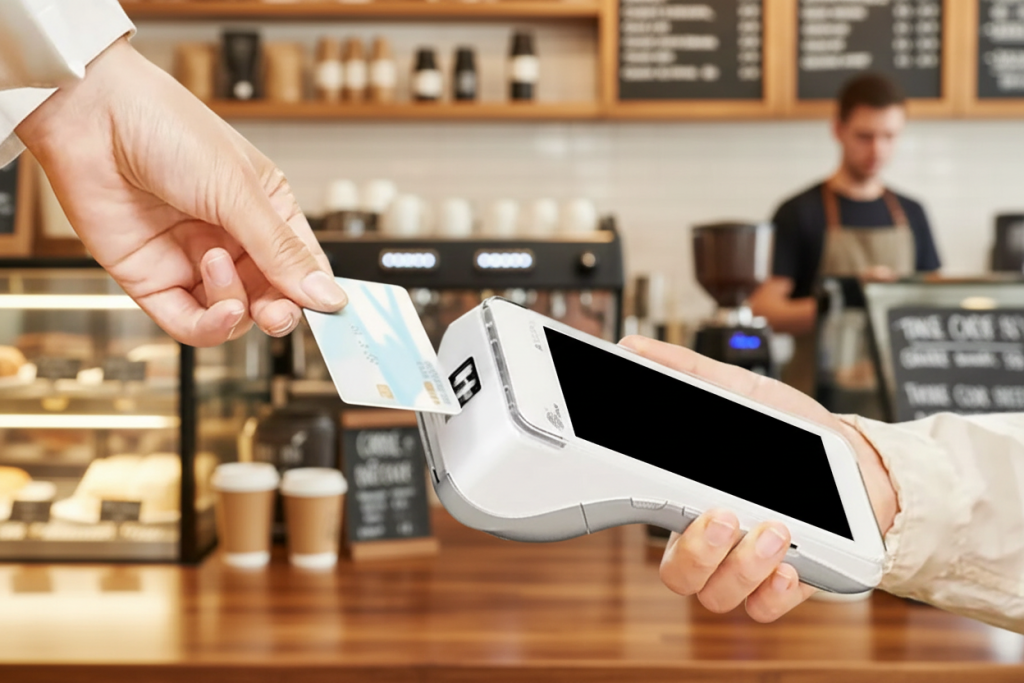
Payment terminal tampering represents one of the most insidious threats facing Irish businesses accepting card payments. Criminals who successfully compromise terminals can capture card details from hundreds or thousands of customers before detection, creating massive financial and reputational damage. Whether you operate a bustling Dublin restaurant, a Cork retail shop, or a Galway hotel, understanding card skimming Ireland risks and implementing robust payment terminal security protects your business and customers from sophisticated fraud schemes.
Terminal tampering differs from many cyber threats because it requires physical access to your equipment, meaning criminals must enter your premises or intercept terminals during delivery. According to the Central Bank of Ireland, payment card fraud remains a significant concern, with criminals constantly developing new card skimming Ireland techniques to bypass security measures.
This guide explores payment terminal tampering threats in Ireland, focusing on physical security measures protecting terminals from unauthorised access, staff training ensuring your team recognises card skimming Ireland indicators, and inspection procedures for systematically checking terminals for compromise.
Understanding Card Skimming Ireland: Terminal Tampering Threats
Before implementing security measures, understanding how criminals compromise terminals through card skimming Ireland schemes helps you recognise threats and implement appropriate protections.
How Card Skimming Ireland Works
Payment terminal tampering typically involves installing devices that capture card data during legitimate transactions. Skimming devices read magnetic stripe data, overlay keypads capture PIN entries, or internal modifications intercept card data before encryption.
Criminals install these card skimming Ireland devices during brief unsupervised access to terminals, through compromised terminals inserted into supply chains, or via corrupted staff members with legitimate terminal access.
Once installed, tampering devices capture card data and PINs from every transaction, transmitting information wirelessly to criminals or storing data for later retrieval. Criminals then clone cards or sell captured data on dark web markets.
Common Card Skimming Techniques
Overlay devices attach to legitimate terminals, sitting atop actual PIN pads to capture entries whilst allowing transactions to process normally. These overlays can be sophisticated, matching terminal appearance closely.
Card slot skimmers install in card reader slots, reading magnetic stripe data as cards insert. Whilst chip cards reduce this threat’s effectiveness, some cards still have magnetic stripes that skimmers can read.
Internal modifications require opening terminals to access internal components. Criminals install devices intercepting data before encryption or modify firmware to transmit card data.
Camera installations capture PIN entries from overhead positions. Tiny cameras hidden in ceiling tiles, signage, or even fake terminal components record customers entering PINs.
Target Environments for Card Skimming Ireland
Criminals target specific environments where tampering proves easier or more lucrative. High-traffic locations including busy shops, restaurants, and hotels provide maximum card data volume. Businesses with minimal supervision of payment areas allow card skimming Ireland device installation without detection. Older terminals lacking advanced security features prove easier to compromise.
Preventing Card Skimming Ireland: Physical Security Measures
Protecting terminals from physical tampering and card skimming Ireland requires multiple security layers making unauthorised access difficult.
Terminal Placement and Positioning
Strategic terminal placement reduces card skimming Ireland opportunities. Position terminals within staff line of sight ensuring constant visual supervision. Avoid placing terminals where customers can access the back or sides unsupervised. Keep terminals in well-lit areas where tampering attempts would be visible.
For restaurant table service using portable terminals, ensure devices return to secure storage when not actively processing payments rather than leaving them accessible in public areas.
Securing Terminals to Counters
Physical attachment prevents terminal theft and makes card skimming Ireland device installation more difficult. Use security cables or bolts securing terminals to counters, making removal for tampering more obvious and time-consuming. Ensure any mounting doesn’t damage terminals or void warranties—check with providers about approved security methods.
For wireless card machines requiring mobility within premises, ensure they’re secured when not in use, stored in locked drawers or cabinets between transactions.
Access Control
Limit who can access payment terminals physically. Restrict back-of-house terminal access to authorised staff only. Maintain key control for areas housing terminals. Consider CCTV monitoring payment areas providing evidence if tampering occurs.
For businesses receiving new terminals, establish secure receiving procedures ensuring terminals go directly to authorised personnel rather than sitting in unsecured receiving areas.
Tamper-Evident Seals
Modern terminals often include tamper-evident seals on case screws indicating if someone opened the device. These seals break when screws are removed, revealing unauthorised access attempts.
Check seals regularly, documenting serial numbers and photographing intact seals for reference. Any broken seals warrant immediate investigation contact your payment provider before using compromised terminals.
Supply Chain Security
Terminal compromise can occur before delivery through supply chain interception. Order terminals directly from reputable providers like easyPayments, Smartpos, or New Payment Innovation. Inspect deliveries immediately upon receipt for signs of tampering. Verify serial numbers against shipping documentation.
If terminals arrive with broken seals, damaged packaging, or discrepancies, refuse delivery and contact your provider immediately.
Card Skimming Ireland Prevention: Staff Training
Your staff represent the first line of defence against terminal tampering and card skimming Ireland. Comprehensive training ensures they recognise threats and respond appropriately.
Recognising Card Skimming Ireland Indicators
Train staff to identify card skimming Ireland tampering signs including unusual devices attached to terminals, loose or wobbly PIN pad keys, terminals feeling heavier than usual (indicating added devices), unusual gaps between terminal components, or terminals behaving strangely (unexpected reboots, error messages).
Show staff examples of tampering devices (many law enforcement agencies provide educational materials) so they understand what to look for beyond just “something seems wrong.”
Daily Inspection Procedures
Establish daily terminal inspection routines as part of opening procedures. Staff should visually inspect terminals for attachments or modifications, check tamper-evident seals remain intact, physically examine terminals for loose components, and test terminals with small test transactions before customer use.
Document inspections in a log noting date, inspector name, and any concerns. This documentation demonstrates due diligence and helps identify patterns if issues arise.
Suspicious Behaviour Recognition
Train staff to recognise suspicious customer or visitor behaviour including people paying excessive attention to terminals, individuals attempting to access terminals outside normal use, customers appearing to install or remove devices during transactions, or anyone photographing terminals extensively.
Staff should politely but firmly intervene when observing suspicious behaviour, alerting security or management immediately.
Response Procedures
Establish clear procedures for suspected card skimming Ireland tampering. Staff should immediately stop using potentially compromised terminals, secure terminals to prevent further use, notify management and your payment processor, and preserve evidence including any discovered devices.
Never attempt to remove suspected tampering devices yourself law enforcement may need them as evidence.
Security Culture
Foster security-conscious culture where staff understand protecting payment terminals protects customers and business reputation. Reward staff who identify security issues, hold regular security briefings discussing current card skimming Ireland threats, and never punish staff for raising concerns even if they prove unfounded.
For comprehensive staff training programmes, consult detailed resources ensuring teams remain vigilant about security threats.
Terminal Inspection Procedures Against Card Skimming
Regular, systematic terminal inspections catch card skimming Ireland tampering before significant customer data compromise occurs.
Visual Inspection Checklist
Develop standard visual inspection checklists covering terminal exterior for attachments or modifications, card reader slot for foreign objects or devices, PIN pad for overlay devices or loose keys, cable connections for unauthorised splitters or devices, and tamper-evident seals for integrity.
Inspections should occur daily at minimum, with additional checks after any periods when terminals were unsupervised (overnight, between shifts).
Physical Examination
Beyond visual checks, physical examination detects card skimming Ireland tampering. Gently test PIN pad keys ensuring they’re firmly attached (overlays often feel slightly loose or thick). Examine terminal seams for unusual gaps indicating case opening. Check terminal weight comparing against known good weight (attached devices add weight). Inspect cables for splices or additions.
This hands-on examination catches sophisticated tampering visual inspection alone might miss.
Comparison Against Reference Materials
Maintain photographs of your terminals in known-good condition showing all angles including card slot, PIN pad, and casing seams. During inspections, compare terminals against reference photos identifying any differences.
Serial numbers and model details should match documentation. Discrepancies warrant investigation.
Testing and Functionality Checks
Process small test transactions monitoring for unusual behaviour including unexpected delays, strange error messages, terminal reboots, or unusual sounds.
Normal transaction flow provides baseline behaviour—deviations might indicate compromise though they could also reflect technical issues.
Documentation and Record Keeping
Document all inspections recording date and time, inspector name, inspection results, any concerns noted, and actions taken.
This documentation demonstrates due diligence to regulators, helps identify patterns, provides evidence if fraud occurs, and supports insurance claims if necessary.
Technology Protection Against Card Skimming Ireland
Beyond physical measures and training, technology provides additional security layers protecting against card skimming Ireland threats.
Encrypted PIN Pad (EPP) Technology
Modern terminals use encrypted PIN pad technology preventing PIN capture even if card skimming Ireland devices are installed. Encryption occurs within the PIN pad itself before data leaves the device, making intercepted data useless without encryption keys.
Ensure your terminals include EPP technology older terminals may lack this protection.
Point-to-Point Encryption (P2PE)
P2PE encrypts card data immediately upon card read, before data reaches your business systems. Even if criminals compromise terminals or networks with card skimming Ireland devices, encrypted data proves useless without decryption keys held only by payment processors.
P2PE represents gold standard for payment security. When evaluating providers, prioritise those offering P2PE-certified solutions.
Remote Terminal Monitoring
Some advanced payment providers offer remote terminal monitoring detecting unusual activity including unexpected access attempts, configuration changes, firmware modifications, or unusual transaction patterns that might indicate card skimming Ireland compromise.
Remote monitoring provides early warning of potential compromise before significant data loss occurs.
Responding to Suspected Card Skimming Ireland
Despite best prevention efforts, suspected card skimming Ireland tampering requires rapid, appropriate response.
Immediate Actions
Upon discovering suspected tampering, immediately cease terminal use disconnecting power if possible. Secure terminal location preventing further use or evidence contamination. Document everything with photographs of suspected devices or modifications. Notify management and your payment processor immediately.
Don’t attempt to remove suspected card skimming Ireland devices they may be evidence needed by law enforcement.
Notification Requirements
You must notify several parties about suspected compromise. Your payment processor needs immediate notification to block potentially compromised card data. Your bank or acquiring bank requires notification of potential fraud. Law enforcement (An Garda Síochána) should be contacted for serious tampering.
The Data Protection Commission requires notification if customer data was compromised, though your payment processor can advise on specific requirements.
Customer Communication
If investigation confirms data compromise from card skimming Ireland attacks, you may need to notify affected customers. Work with your payment processor and legal advisors on appropriate notification including what information was potentially compromised, steps you’re taking to address the situation, and resources for customers to protect themselves.
Investigation and Remediation
Support investigation providing access to inspection logs, CCTV footage if available, and staff statements. Replace compromised terminals immediately never reuse terminals confirmed compromised even after apparent cleaning.
Regulatory Compliance and Liability
Understanding regulatory requirements and liability protections motivates investment in card skimming Ireland prevention.
PCI DSS Requirements
PCI DSS compliance includes physical security requirements for payment terminals. Regular terminal inspection, restricting terminal access, and using tamper-evident seals all represent PCI DSS requirements not just best practices.
Compliance demonstrates due diligence, potentially limiting liability if card skimming Ireland tampering occurs despite reasonable security measures.
Liability for Compromised Transactions
Liability for fraudulent transactions using compromised card data typically falls on the party with weakest security. If investigation reveals you failed to implement reasonable terminal security, you might bear liability for fraudulent transactions.
Conversely, demonstrating robust security measures potentially shifts liability to other parties in the payment chain.
Industry-Specific Card Skimming Prevention
Different business types face varying card skimming Ireland security challenges requiring tailored approaches.
Retail Environments
Retail payment security requires protecting multiple terminals potentially spread across large premises. Centralise terminal security oversight with designated security champions and implement consistent inspection procedures across all terminals.
Hospitality Venues
Restaurants and bars using portable terminals for table service face unique challenges. Ensure terminals return to secure storage when not in use and train staff on proper terminal handling including never leaving terminals unattended.
Hotels
Hotel payment operations often involve 24/7 terminal access across multiple departments. Implement shift-change terminal inspections and restrict back-office terminal access.
Building Comprehensive Security Against Card Skimming Ireland
Protecting against card skimming Ireland threats requires comprehensive, multi-layered security approach combining physical terminal protection, well-trained vigilant staff, and systematic inspection procedures. No single measure provides complete protection—defence in depth using multiple complementary security layers creates robust protection against evolving card skimming Ireland tampering threats.
The investment in terminal security protects your business reputation, prevents potentially devastating financial losses, and demonstrates commitment to customer data protection.
Get Expert Payment Security Guidance
At Compayre, we help Irish businesses implement secure payment processing protecting against card skimming Irelandand other threats. Our independent comparison service evaluates providers based on terminal security features including P2PE and EPP technology, tamper-evident designs, remote monitoring capabilities, and comprehensive security support.
We understand that payment terminal security represents critical concern for Irish businesses handling customer card data.
Ready to enhance your payment terminal security? Visit compayre.ie or call us on +353 1 265 4403 to discuss your requirements. We’ll help you compare payment solutions delivering the security features, training support, and monitoring capabilities your Irish business needs to protect against card skimming Ireland tampering threats.