
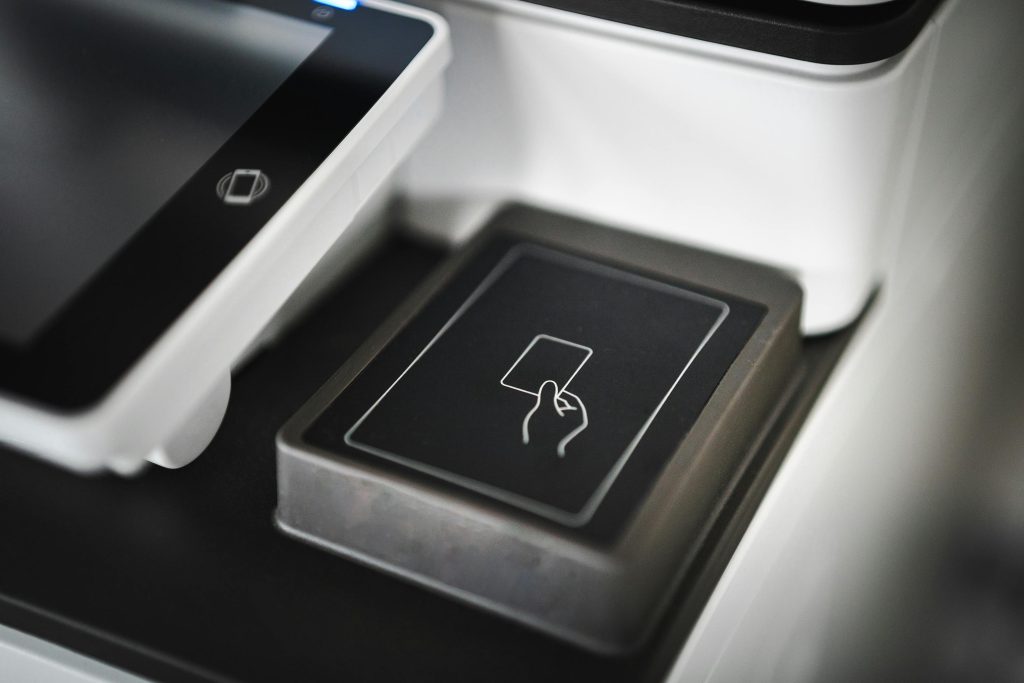
The evolution of payment terminal hardware has accelerated dramatically in recent years, with next-generation devices offering capabilities that rival modern smartphones. For Irish businesses evaluating new payment solutions, understanding the technical specifications behind these devices is crucial for making informed decisions. A comprehensive terminal hardware comparison reveals significant differences in performance, reliability, and functionality that directly impact business operations.
Modern payment terminals are sophisticated computing devices that must handle complex encryption, process multiple payment methods, and maintain connectivity in challenging environments. The right hardware choice can enhance customer experience, reduce transaction times, and minimize maintenance costs over the device’s lifecycle.
Processor Performance: The Engine Behind Modern Payments
The heart of any payment terminal lies in its processing capabilities. Modern terminal hardware comparison analysis begins with examining CPU architecture, processing speeds, and memory configurations that determine overall system performance.
CPU Architecture and Speed Analysis
Next-generation payment terminals utilize ARM-based processors ranging from dual-core 1.2GHz configurations in basic models to quad-core 2.0GHz+ processors in premium devices. The processing power directly correlates with:
- Transaction Processing Speed: Higher clock speeds reduce the time between card insertion and authorization completion
- Multi-tasking Capabilities: Concurrent processing of payments while running background security updates
- Application Performance: Faster loading of payment apps and merchant software interfaces
- Encryption Processing: Hardware-accelerated security operations for faster secure transactions
Memory and Storage Considerations
Modern terminals typically feature:
- RAM: 1GB to 4GB configurations, with 2GB being the current standard for business-grade devices
- Internal Storage: 8GB to 32GB flash memory for application storage and transaction logging
- Expandable Storage: MicroSD support for additional capacity, though security considerations often limit usage
Irish businesses processing high transaction volumes benefit from terminals with at least 2GB RAM and 16GB storage to ensure smooth operation during peak periods. For detailed hardware specifications from various providers, businesses can compare options through Compayre.ie to find devices matching their performance requirements.
Display Technology: Visual Interface Evolution
The display represents the primary user interface for both merchants and customers, making screen quality a critical factor in terminal hardware comparison evaluations.
Screen Technology and Resolution
Current payment terminals employ various display technologies:
LCD Technology: Traditional LCD screens offer reliable performance with resolutions ranging from 320×240 pixels in basic models to 800×480 pixels in advanced devices. Battery life remains excellent, though outdoor visibility can be challenging.
OLED Displays: Premium terminals increasingly feature OLED technology providing superior contrast ratios, better viewing angles, and enhanced color reproduction. Power consumption varies significantly based on display content and brightness settings.
E-ink Integration: Some next-generation devices incorporate secondary e-ink displays for always-visible merchant information, reducing power consumption while maintaining visibility.
Touch Interface Capabilities
Modern terminals support various touch technologies:
- Resistive Touch: Cost-effective solution working with gloves and styluses, common in industrial environments
- Capacitive Touch: Superior responsiveness and multi-touch support, standard in consumer-facing applications
- Projected Capacitive: Advanced technology offering enhanced durability and precision, increasingly adopted in premium models
Screen Size and Usability
Display dimensions typically range from 2.8-inch compact screens to 7-inch tablet-style interfaces. Irish businesses should consider:
- Customer-facing applications: Larger screens improve signature capture and application interaction
- Counter space limitations: Compact designs suit space-constrained environments
- Visibility requirements: Outdoor or bright environments benefit from larger, higher-resolution displays
For comprehensive display comparisons across different terminal models, the Payment Card Industry Security Standards Council provides guidelines for compliant display implementations.
Payment Connectivity Comparison: Modern Connection Standards
Payment connectivity comparison reveals dramatic improvements in communication options, reliability, and transaction speed across different terminal generations.
Wired Connectivity Options
Ethernet Connectivity: Gigabit Ethernet ports provide the most reliable connection for fixed-location terminals, offering consistent speeds and minimal latency. Irish businesses with stable internet infrastructure benefit from dedicated ethernet connections for primary payment processing.
USB Host and Client Modes: USB-C connectivity enables versatile device integration, supporting both peripheral connections (barcode scanners, receipt printers) and computer tethering for software updates.
Serial Communication: Legacy RS-232 ports remain relevant for integration with older POS systems, though modern terminals increasingly rely on IP-based communication protocols.
Wireless Communication Technologies
Wi-Fi Standards: Next-generation terminals support Wi-Fi 6 (802.11ax) technology, providing:
- Enhanced performance in crowded network environments
- Improved battery life through efficient power management
- Better security through WPA3 encryption protocols
- Reduced latency for real-time transaction processing
Cellular Connectivity: 4G LTE and emerging 5G capabilities enable mobile payment processing:
- 4G LTE: Standard across most modern terminals, providing reliable backup connectivity
- 5G Integration: Premium models offer 5G support for ultra-low latency applications
- eSIM Technology: Programmable SIM cards eliminate physical SIM management challenges
Bluetooth Capabilities: Bluetooth 5.0+ support enables:
- Peripheral device connections (receipt printers, cash drawers)
- Mobile device integration for payment apps
- Audio output for accessibility features
- Low-energy beacon functionality for customer engagement
Near Field Communication (NFC)
Modern NFC implementations support multiple standards:
- ISO 14443 Type A/B: Standard contactless card compatibility
- ISO 18092: Peer-to-peer communication for mobile wallet integration
- EMV Contactless: Secure chip-based contactless transactions
- Apple Pay/Google Pay: Native mobile wallet support
Irish businesses can explore connectivity options suited to their specific operational requirements through Compayre.ie, ensuring optimal performance for their transaction processing needs.
Durability and Environmental Testing Standards
Payment terminals must withstand demanding operational environments, making durability testing a crucial component of terminal hardware comparison analysis.
Industry Standard Testing Protocols
IP Rating Classifications: International Protection ratings indicate environmental resistance:
- IP54: Basic protection against dust and water splashing, suitable for indoor retail
- IP65: Complete dust protection and water jet resistance, appropriate for outdoor use
- IP67: Temporary water submersion protection, ideal for harsh environments
Temperature Range Performance: Modern terminals typically operate within -10°C to +50°C ranges, with storage capabilities extending to -20°C to +70°C. Irish businesses with seasonal outdoor operations should prioritize terminals with extended temperature ranges.
Humidity Resistance: Devices rated for 95% relative humidity (non-condensing) handle typical Irish weather conditions effectively.
Physical Durability Testing
Drop Test Standards: Terminals undergo testing per IEC 60068-2-32 standards:
- Multiple drops from 1.2-1.5 meters onto concrete surfaces
- Various impact angles to simulate real-world accidents
- Functional testing after each impact event
Vibration Resistance: Testing per IEC 60068-2-6 ensures reliability in mobile applications:
- Sinusoidal vibration testing across frequency ranges
- Random vibration simulation for transportation scenarios
- Operational testing during vibration exposure
Mechanical Stress Testing: Key components undergo:
- Button actuation cycles (typically 100,000+ presses)
- Card reader insertion/extraction cycles (50,000+ operations)
- Display hinge testing for clamshell designs (10,000+ open/close cycles)
Chemical and Cleaning Resistance
Enhanced cleaning protocols post-2020 require terminals to withstand:
- Alcohol-based sanitizers (70%+ isopropyl alcohol)
- Quaternary ammonium compound cleaners
- UV-C sanitization exposure
- Frequent cleaning without surface degradation
For detailed durability specifications and testing results, refer to International Electrotechnical Commission standards which establish global testing protocols for electronic payment devices.
Security Hardware Integration
Modern payment terminals incorporate advanced security features directly into hardware architecture, representing a significant evolution from software-only security approaches.
Hardware Security Modules (HSM)
Next-generation terminals integrate dedicated security processors:
- Tamper Detection: Physical intrusion attempts trigger immediate key deletion
- Secure Key Storage: Cryptographic keys stored in hardware-isolated environments
- Real-time Encryption: Hardware-accelerated encryption for all sensitive data
- Authentication Processing: Biometric and multi-factor authentication capabilities
Biometric Integration
Advanced terminals now support multiple biometric authentication methods:
- Fingerprint Scanning: Capacitive sensors for merchant and customer authentication
- Facial Recognition: Camera-based identity verification for high-value transactions
- Voice Recognition: Audio-based authentication for accessibility and security
- Palm Vein Scanning: Emerging technology for highly secure identification
Secure Communication Protocols
Hardware-level security implementations include:
- End-to-End Encryption: All transaction data encrypted from point of capture
- Certificate Management: Hardware-based certificate storage and validation
- Secure Boot Process: Verified software loading prevents malware injection
- Remote Attestation: Continuous security status monitoring and reporting
Battery Technology and Power Management
For mobile and portable payment terminals, battery performance significantly impacts operational efficiency and user experience.
Battery Technology Comparison
Lithium-Ion Standard: Most terminals utilize standard Li-ion batteries offering:
- 2,500-5,000 mAh capacity ranges
- 500-1,000 charge cycle lifespans
- 8-12 hour operational periods under normal usage
- 2-4 hour charging times with standard adapters
Lithium Polymer Advancement: Premium devices feature Li-Po batteries providing:
- Improved energy density and longer operational periods
- Enhanced safety characteristics and thermal management
- Flexible form factors enabling sleeker device designs
- Extended lifespans with proper charging management
Power Efficiency Optimization
Modern terminals employ sophisticated power management:
- Dynamic CPU Scaling: Processor speed adjusts based on current workload
- Display Dimming: Automatic brightness adjustment based on ambient light
- Communication Management: Intelligent switching between connectivity options
- Sleep Mode Optimization: Rapid wake capabilities with minimal power consumption
Charging and Power Options
Next-generation terminals support multiple charging methods:
- USB-C Power Delivery: Fast charging with universal cable compatibility
- Wireless Charging: Qi-compatible charging pads for convenient dock-based charging
- Solar Integration: Some outdoor terminals incorporate solar panels for extended operation
- External Battery Packs: Modular battery systems for extended operational periods
For businesses requiring specific power management features, comparing available options through Compayre.ie helps identify terminals with optimal battery performance for their operational requirements.
Integration Capabilities and Ecosystem Compatibility
Modern payment terminals function as integrated components within broader business technology ecosystems, requiring seamless compatibility with existing systems.
POS System Integration
API Compatibility: Modern terminals support RESTful APIs and webhooks for:
- Real-time transaction status updates
- Inventory synchronization with payment processing
- Customer data integration across platforms
- Multi-location transaction consolidation
SDK Availability: Software Development Kits enable custom application development:
- Native Android/Linux development environments
- Cross-platform compatibility frameworks
- Third-party application marketplace access
- Custom branding and user interface modifications
Cloud Service Integration
Next-generation terminals offer extensive cloud connectivity:
- Transaction Data Analytics: Real-time processing and reporting capabilities
- Remote Device Management: Over-the-air updates and configuration management
- Backup and Recovery: Automated data synchronization and disaster recovery
- Multi-location Management: Centralized fleet management for business chains
Peripheral Device Support
Modern terminals support extensive peripheral ecosystems:
- Receipt Printers: Bluetooth and USB thermal printer compatibility
- Barcode Scanners: 1D/2D barcode reading with inventory integration
- Cash Drawers: Electronic cash drawer control and monitoring
- Customer Displays: Secondary screens for customer-facing information
- Scale Integration: Weight-based pricing for retail applications
For comprehensive integration guidance and compatibility information, businesses can consult resources like the European Payments Council which provides standards for payment system interoperability.
Future Technology Trends and Considerations
The payment terminal industry continues evolving rapidly, with emerging technologies promising to reshape transaction processing capabilities.
Artificial Intelligence Integration
AI-powered features increasingly appear in premium terminals:
- Transaction Pattern Recognition: Fraud detection through behavioral analysis
- Predictive Maintenance: Hardware failure prediction and preventive service scheduling
- Customer Experience Optimization: Personalized interface adaptation based on user patterns
- Voice Command Processing: Natural language interaction for accessibility and efficiency
Edge Computing Capabilities
Next-generation terminals incorporate local processing power:
- Local Data Processing: Reduced latency through on-device analytics
- Offline Transaction Capability: Continued operation during connectivity interruptions
- Real-time Decision Making: Instant fraud detection and risk assessment
- Privacy Enhancement: Sensitive data processing without cloud transmission
Sustainability and Environmental Considerations
Environmental consciousness influences terminal design:
- Recyclable Materials: Increased use of sustainable manufacturing materials
- Energy Efficiency: Improved power management reducing overall energy consumption
- Lifecycle Extension: Modular designs enabling hardware upgrades rather than replacement
- Carbon Footprint Reduction: Local processing reducing data transmission requirements
Making Informed Hardware Decisions
Selecting appropriate payment terminal hardware requires balancing multiple factors including performance requirements, environmental conditions, integration needs, and budget considerations.
Performance Requirements Assessment
Irish businesses should evaluate their specific needs:
- Transaction Volume: High-volume locations benefit from faster processors and enhanced memory
- Application Complexity: Advanced POS integration requires more powerful hardware platforms
- Multi-tasking Requirements: Concurrent application usage demands additional processing resources
- Future Scalability: Hardware should accommodate business growth and feature expansion
Environmental and Operational Factors
Consider operational environment characteristics:
- Indoor vs. Outdoor Use: Weather resistance and display visibility requirements
- Mobile vs. Fixed Installation: Battery life and portability considerations
- High-traffic vs. Low-volume: Durability and maintenance requirements
- Integration Complexity: Compatibility with existing systems and future expansion plans
Cost-Benefit Analysis
Initial Investment: Hardware costs vary significantly based on features and capabilities, from €200 for basic models to €1,500+ for premium devices with advanced features.
Operational Costs: Consider ongoing expenses including connectivity fees, maintenance contracts, software licensing, and replacement schedules.
ROI Considerations: Enhanced features may justify higher initial costs through improved efficiency, reduced maintenance, and enhanced customer experience.
For comprehensive cost comparisons and feature analysis across different terminal options, Irish businesses can utilize Compayre.ie to identify solutions that balance performance requirements with budget constraints.
Conclusion: Navigating the Next-Generation Terminal Landscape
The terminal hardware comparison landscape reveals significant technological advancement across all device categories, from basic card readers to sophisticated integrated payment platforms. Modern terminals offer capabilities that extend far beyond simple transaction processing, serving as comprehensive business tools that enhance operations, security, and customer experience.
Payment connectivity comparison demonstrates the importance of selecting terminals with robust, future-proof communication capabilities. As payment methods continue evolving and customer expectations increase, hardware choices made today will impact business operations for years to come.
Irish businesses benefit from carefully evaluating their specific requirements against available hardware capabilities, considering both immediate needs and future growth plans. The investment in appropriate terminal hardware pays dividends through improved operational efficiency, enhanced security, and superior customer experience.
Success in terminal selection requires understanding the complex interplay between processor performance, display quality, connectivity options, and durability features. By prioritizing features that align with business operational requirements and growth objectives, Irish businesses can select payment terminals that serve as valuable long-term investments rather than simple transaction processing tools.
The rapid pace of technological advancement ensures that today’s premium features become tomorrow’s standard capabilities. Selecting terminals with robust upgrade paths and extensive integration capabilities provides the flexibility needed to adapt to future payment industry developments while maximizing the return on hardware investments.