
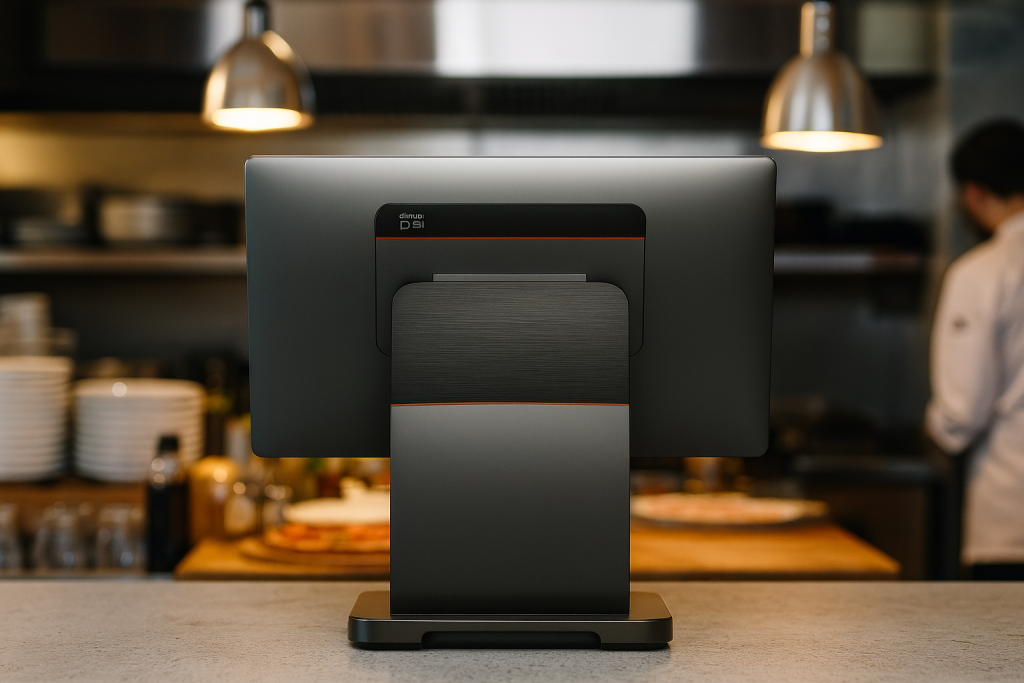
Choosing between retail EPOS Ireland solutions and restaurant POS systems requires understanding the fundamental differences in how these industries operate. While both sectors process payments and manage transactions, their specific operational needs, compliance requirements, and customer service workflows demand distinctly different technological approaches. Making the wrong choice can cost Irish businesses thousands in lost efficiency, compliance issues, and customer dissatisfaction.
As Ireland’s premier merchant services comparison platform, Compayre.ie has analyzed hundreds of EPOS implementations across Irish retail and hospitality sectors. This comprehensive guide explores the critical feature differences, helping Irish business owners select systems that truly match their operational requirements and growth ambitions.
Understanding EPOS System Fundamentals
Electronic Point of Sale (EPOS) systems serve as the technological backbone of modern Irish businesses, but retail EPOS Ireland requirements differ significantly from restaurant POS systems needs. Understanding these fundamental differences guides intelligent purchasing decisions and ensures optimal operational efficiency.
Core EPOS System Components
Universal Elements:
- Payment processing terminals and software
- Transaction recording and reporting capabilities
- Inventory tracking and management tools
- Customer data collection and analysis
- Staff management and access controls
- Integration capabilities with business systems
Industry-Specific Adaptations:
- Retail systems prioritize product catalog management and quick checkout
- Hospitality systems emphasize order management and kitchen communication
- Compliance features vary dramatically between sectors
- Reporting requirements differ based on operational patterns
- Customer interaction workflows require different interface designs
The Irish Business Context
Ireland’s business environment creates unique considerations for both retail EPOS Ireland and restaurant POS systems:
- VAT compliance: Different rates for various product categories
- Revenue reporting: Statutory requirements for transaction recording
- Consumer protection: GDPR compliance for customer data handling
- Industry regulations: Specific requirements for food service and retail operations
- Multi-currency support: Euro processing with occasional tourist currency needs
Retail EPOS Ireland: Essential Features and Requirements
Retail EPOS Ireland systems must handle rapid transactions, extensive product catalogs, and complex inventory management while maintaining compliance with Irish retail regulations.
Core Retail EPOS Functionality
Product Management Capabilities:
- Unlimited SKU handling for diverse product ranges
- Barcode scanning integration for efficient processing
- Variant management (sizes, colors, styles) for clothing and accessories
- Bulk pricing and promotional discount management
- Seasonal pricing adjustments and clearance handling
- Multi-location inventory synchronization for chain operations
Transaction Processing Excellence:
- High-speed checkout to minimize customer wait times
- Multiple payment method acceptance (cash, cards, digital wallets)
- Split payment handling for customer convenience
- Return and exchange processing with detailed tracking
- Gift card and voucher management systems
- Loyalty program integration and point tracking
Inventory Management Systems:
- Real-time stock level monitoring and alerts
- Automated reorder point calculations and supplier notifications
- Transfer management between multiple store locations
- Shrinkage tracking and loss prevention reporting
- Supplier management and purchase order generation
- Cost tracking and margin analysis by product category
Retail-Specific Compliance Requirements
Irish Retail Compliance Essentials:
- VAT Management:
- Automatic VAT calculation for different product categories
- VAT reporting generation for Revenue submissions
- EU VAT handling for cross-border transactions
- Zero-rated and exempt product category management
- Consumer Protection Compliance:
- Receipt generation with mandatory information
- Return policy enforcement and tracking
- Customer data protection (GDPR compliance)
- Product warranty and guarantee tracking
- Business Reporting:
- Daily sales summaries for business analysis
- Monthly and annual financial reporting
- Stock movement reporting for audit purposes
- Staff performance and commission tracking
Advanced Retail EPOS Features
Customer Relationship Management:
- Customer purchase history and preference tracking
- Targeted marketing campaign management
- Birthday and anniversary promotion automation
- Customer communication through email and SMS
- Social media integration for marketing reach
- Review and feedback collection systems
Multi-Channel Integration:
- E-commerce platform synchronization
- Click-and-collect order management
- Online inventory visibility and reservation
- Cross-channel customer data consolidation
- Social commerce integration capabilities
- Marketplace integration (Amazon, eBay) management
Restaurant POS Systems: Hospitality-Focused Features
Restaurant POS systems address the unique challenges of food service operations, from order management to kitchen communication and table service coordination.
Essential Hospitality POS Functionality
Order Management Excellence:
- Table mapping and reservation integration
- Order modification and special request handling
- Kitchen display system integration for order communication
- Multiple course timing and coordination
- Split billing and group payment management
- Take-away and delivery order processing
Menu Management Capabilities:
- Dynamic menu pricing and availability updates
- Seasonal menu item activation and deactivation
- Ingredient tracking and allergen information management
- Recipe costing and profit margin calculation
- Happy hour and time-based pricing adjustments
- Multi-language menu support for tourist areas
Kitchen and Service Coordination:
- Real-time order transmission to kitchen displays
- Preparation time tracking and management
- Order priority management during busy periods
- Service staff task assignment and tracking
- Table turn time optimization
- Customer wait time monitoring and alerts
Hospitality-Specific Compliance Needs
Irish Food Service Regulations:
- Food Safety Compliance:
- HACCP (Hazard Analysis Critical Control Points) integration
- Temperature monitoring and logging
- Ingredient traceability and supplier tracking
- Allergen information management and customer communication
- Waste tracking and disposal documentation
- Licensing and Revenue Requirements:
- Alcohol sales tracking and reporting
- Age verification integration for restricted products
- Revenue reporting for tax compliance
- Till reconciliation and cash management
- Staff sales tracking for accountability
- Customer Service Standards:
- Service time monitoring and improvement
- Customer feedback collection and response
- Reservation management and optimization
- Dietary restriction accommodation tracking
- Special event and group booking management
Advanced Restaurant POS Features
Staff Management Tools:
- Server performance tracking and optimization
- Tip distribution calculation and management
- Shift scheduling and time tracking integration
- Training module integration for new staff
- Commission and incentive calculation
- Access control based on staff roles and responsibilities
Customer Experience Enhancement:
- Table-side ordering and payment processing
- Mobile app integration for ordering and payment
- Loyalty program management with dining rewards
- Social media integration for reviews and promotions
- Event booking and private dining coordination
- Customer preference tracking for personalized service
Industry-Specific Workflow Analysis
Understanding how retail EPOS Ireland and restaurant POS systems support different operational workflows helps businesses select appropriate solutions.
Retail Workflow Optimization
Peak Shopping Period Management:
- Queue management during busy periods (Christmas, sales events)
- Rapid checkout processing to minimize customer wait times
- Staff deployment optimization based on transaction volumes
- Promotion and discount application without delays
- Inventory level monitoring during high-demand periods
- Customer service integration for queries and complaints
Daily Operations Flow:
- Opening Procedures: Cash drawer setup, system activation, staff login
- Transaction Processing: Product scanning, payment acceptance, receipt generation
- Customer Service: Returns, exchanges, warranty claims, loyalty program management
- Inventory Management: Stock checks, receiving deliveries, transfer processing
- Closing Procedures: Till reconciliation, daily reporting, secure cash handling
Seasonal Adaptation Requirements:
- Holiday season staffing and system capacity scaling
- Sales event preparation and promotional pricing activation
- Gift card and voucher campaign management
- Returns processing for post-holiday periods
- Inventory clearance and markdown management
Hospitality Workflow Integration
Service Period Coordination:
- Pre-service setup including menu availability and staff assignments
- Order taking and kitchen communication optimization
- Service timing coordination between kitchen and front-of-house
- Payment processing including tips and service charges
- Post-service cleanup and preparation for next service period
Daily Restaurant Operations:
- Pre-Service Setup: System activation, menu updates, staff briefings, table setup
- Order Management: Customer seating, order taking, kitchen communication, service coordination
- Payment Processing: Bill presentation, payment acceptance, tip handling, receipt generation
- Kitchen Coordination: Order prioritization, timing management, quality control, waste tracking
- End-of-Service: Till reconciliation, inventory updates, cleaning protocols, daily reporting
Event and Special Service Management:
- Private dining and event booking coordination
- Special menu creation and pricing for events
- Group booking management and payment coordination
- Catering order processing and delivery coordination
- Holiday and seasonal menu management
Compliance and Regulatory Considerations
Both retail EPOS Ireland and restaurant POS systems must address Irish regulatory requirements, though specific compliance needs vary significantly between industries.
Irish Revenue and Tax Compliance
Universal Requirements:
- VAT calculation and reporting accuracy
- Transaction recording for audit purposes
- Receipt generation with mandatory information
- Cash handling and reconciliation procedures
- Digital record keeping and data retention
Retail-Specific Compliance:
- Product classification for VAT purposes
- Cross-border transaction handling (EU regulations)
- Consumer protection law compliance
- Returns and refund policy enforcement
- Warranty and guarantee tracking
Hospitality-Specific Compliance:
- Alcohol sales licensing and monitoring
- Food safety regulation adherence
- Employee tip reporting and tax implications
- Health department inspection readiness
- Fire safety and capacity monitoring
Data Protection and Privacy
GDPR Compliance Requirements:
- Customer data collection and consent management
- Data processing transparency and customer rights
- Secure data storage and transmission protocols
- Data breach notification procedures
- Right to erasure and data portability implementation
Industry-Specific Privacy Considerations:
- Retail: Purchase history privacy, marketing consent, customer profiling ethics
- Hospitality: Dietary restriction confidentiality, reservation privacy, payment security
Health and Safety Integration
Retail Health and Safety:
- Workplace safety monitoring and reporting
- Product safety and recall management
- Customer incident recording and response
- Staff training and certification tracking
- Emergency procedure integration
Food Service Health and Safety:
- Food temperature monitoring and logging
- Allergen tracking and customer communication
- Kitchen safety protocol enforcement
- Staff health and hygiene monitoring
- Customer dietary restriction management
Technology Integration and Scalability
Modern retail EPOS Ireland and restaurant POS systems must integrate seamlessly with existing business technologies while providing scalability for future growth.
Integration Capabilities
Universal Integration Needs:
- Accounting software connectivity (Sage, QuickBooks, Xero)
- Banking system integration for payment processing
- Customer relationship management (CRM) system compatibility
- Email marketing platform connections
- Social media and review platform integration
Retail-Specific Integrations:
- E-commerce platform synchronization (Shopify, WooCommerce, Magento)
- Inventory management system connectivity
- Supplier ordering and EDI integration
- Warehouse management system compatibility
- Multi-location reporting and management
Hospitality-Specific Integrations:
- Kitchen display system connectivity
- Reservation system integration (OpenTable, Resy)
- Delivery platform coordination (Deliveroo, Just Eat)
- Staff scheduling system compatibility
- Ingredient ordering and supplier management
Scalability Planning
Growth Accommodation Features:
- Multi-location management capabilities
- User account and permission scaling
- Transaction volume handling increases
- Storage and processing capacity expansion
- Feature and module addition flexibility
Technology Evolution Adaptability:
- Software update and enhancement compatibility
- New payment method integration capability
- Emerging technology adoption readiness
- API availability for custom development
- Cloud-based scalability and flexibility
Cost Analysis: Retail vs Hospitality EPOS
Understanding the total cost of ownership for retail EPOS Ireland versus restaurant POS systems helps businesses budget appropriately and select cost-effective solutions.
Initial Setup Costs
Hardware Requirements:
- Retail EPOS: Terminals, barcode scanners, receipt printers, cash drawers (€800-€3,000 per location)
- Restaurant POS: Terminals, kitchen displays, handheld devices, printers (€1,200-€5,000 per location)
Software Licensing:
- Retail Systems: €50-€200 per month per location
- Hospitality Systems: €80-€300 per month per location
- Advanced features and integrations may require additional licensing fees
Implementation and Training:
- Professional setup and configuration: €500-€2,000
- Staff training and onboarding: €300-€1,500
- Data migration from existing systems: €200-€1,000
Ongoing Operational Costs
Monthly Service Fees:
- Software subscription and updates
- Customer support and maintenance
- Cloud hosting and data storage
- Payment processing integration
Transaction-Based Costs:
- Payment processing fees (typically 1.5-3% per transaction)
- Additional charges for premium features
- Third-party integration fees
- Compliance and security monitoring
Return on Investment Analysis
Retail ROI Factors:
- Checkout speed improvements reducing staff costs
- Inventory optimization reducing carrying costs
- Customer data insights driving sales increases
- Multi-channel integration expanding market reach
Hospitality ROI Factors:
- Order accuracy improvements reducing waste
- Service speed enhancements increasing table turns
- Staff efficiency gains reducing labor costs
- Customer experience improvements driving repeat business
Choosing the Right EPOS Provider
Selecting an appropriate EPOS provider requires evaluating technical capabilities, industry expertise, and ongoing support quality.
Evaluation Criteria
Technical Assessment:
- Feature completeness for industry requirements
- Integration capabilities with existing systems
- Scalability and performance under load
- Security and compliance adherence
- User interface design and ease of use
Provider Reliability:
- Industry experience and track record
- Customer references and case studies
- Support quality and response times
- Financial stability and longevity
- Innovation and development roadmap
Implementation Planning
Pre-Implementation Preparation:
- Current system audit and data inventory
- Staff training and change management planning
- Integration testing with existing systems
- Compliance verification and documentation
- Backup and contingency planning
Deployment Strategy:
- Phased rollout for multi-location businesses
- Parallel operation during transition periods
- Staff training and certification completion
- Performance monitoring and optimization
- Customer communication and change management
Expert Recommendations for Irish Businesses
Based on extensive analysis of Irish retail and hospitality operations, specific recommendations guide optimal EPOS selection and implementation.
Retail EPOS Ireland Best Practices
Small Independent Retailers:
- Focus on core POS functionality with growth scalability
- Prioritize ease of use and quick staff training
- Ensure strong inventory management capabilities
- Select systems with affordable monthly costs
- Choose providers with excellent local support
Multi-Location Retail Chains:
- Invest in comprehensive multi-location management
- Ensure robust reporting and analytics capabilities
- Prioritize integration with existing corporate systems
- Plan for centralized management and control
- Budget for professional implementation and training
Specialty Retail Operations:
- Evaluate industry-specific feature requirements
- Ensure compliance with specialized regulations
- Consider unique inventory and customer management needs
- Plan for seasonal variation accommodation
- Assess supplier and manufacturer integration needs
Restaurant POS Systems Recommendations
Independent Restaurants:
- Prioritize kitchen integration and order management
- Ensure compliance with food service regulations
- Focus on customer experience enhancement features
- Budget for staff training and system adaptation
- Choose providers with hospitality industry expertise
Restaurant Chains and Franchises:
- Invest in comprehensive multi-location coordination
- Ensure brand consistency and standardization
- Prioritize centralized reporting and management
- Plan for menu and pricing synchronization
- Budget for extensive staff training programs
Specialized Food Service:
- Evaluate unique operational requirement accommodation
- Ensure regulatory compliance for specialized operations
- Consider customer base and service model alignment
- Plan for growth and expansion capabilities
- Assess integration with specialized equipment
Future-Proofing Your EPOS Investment
Both retail EPOS Ireland and restaurant POS systems must accommodate evolving technology trends and changing business requirements.
Emerging Technology Trends
Artificial Intelligence Integration:
- Predictive analytics for inventory and demand management
- Customer behavior analysis and personalization
- Automated reporting and business intelligence
- Fraud detection and prevention systems
- Staff performance optimization recommendations
Mobile and Cloud Technologies:
- Mobile payment acceptance and processing
- Cloud-based system access and management
- Remote monitoring and support capabilities
- Automatic updates and feature enhancements
- Scalable processing and storage capacity
Customer Experience Innovation:
- Self-service kiosks and ordering systems
- Mobile app integration and loyalty programs
- Social media and review platform connectivity
- Personalized marketing and communication
- Contactless and touchless interaction options
Adaptation Strategies
Technology Evolution Planning:
- Regular system review and upgrade assessment
- Staff training on new features and capabilities
- Customer communication about service enhancements
- Performance monitoring and optimization
- Competitive analysis and feature comparison
Business Growth Accommodation:
- Scalability assessment and planning
- Feature and module expansion consideration
- Multi-location and multi-channel preparation
- Integration requirement evolution
- Budget planning for system enhancements
Conclusion: Making the Right EPOS Choice for Your Irish Business
The decision between retail EPOS Ireland and restaurant POS systems fundamentally depends on understanding your industry’s unique operational requirements, compliance needs, and customer service workflows. While both systems process payments and manage transactions, their specialized features, integration capabilities, and industry-specific optimizations create significant differences in business value and operational efficiency.
Key Decision Factors:
- Operational workflows: How your business serves customers and manages inventory
- Compliance requirements: Industry-specific regulations and reporting needs
- Integration needs: Existing systems and future technology requirements
- Scalability plans: Growth projections and expansion strategies
- Budget considerations: Total cost of ownership and return on investment
Success depends on thorough evaluation:
- Assess your specific needs – Don’t assume standard features meet unique requirements
- Evaluate provider expertise – Industry experience significantly impacts implementation success
- Plan for growth – Select systems that accommodate future expansion and evolution
- Budget comprehensively – Consider total cost of ownership beyond initial pricing
- Prioritize support quality – Ongoing assistance determines long-term satisfaction
As Ireland’s trusted merchant services comparison platform, Compayre.ie helps Irish businesses navigate complex EPOS decisions with objective analysis and expert guidance. Our guaranteed Irish company status ensures you receive local expertise combined with comprehensive industry knowledge.
Ready to find your perfect EPOS solution?
Contact our expert team at +353 1 265 4403 for personalized recommendations based on your specific industry requirements and business objectives. We’ll analyze your operational needs, compare available options, and connect you with proven providers who deliver exceptional results for Irish businesses.
Visit www.compayre.ie today to explore comprehensive EPOS solutions designed for Irish retail and hospitality success. Join thousands of Irish businesses that trust Compayre.ie for independent, professional technology guidance.
Don’t let the wrong EPOS choice limit your business potential. The perfect retail EPOS Ireland or restaurant POS system awaits – let our experts help you find it.